About
Shattering the Stained Glass Ceiling
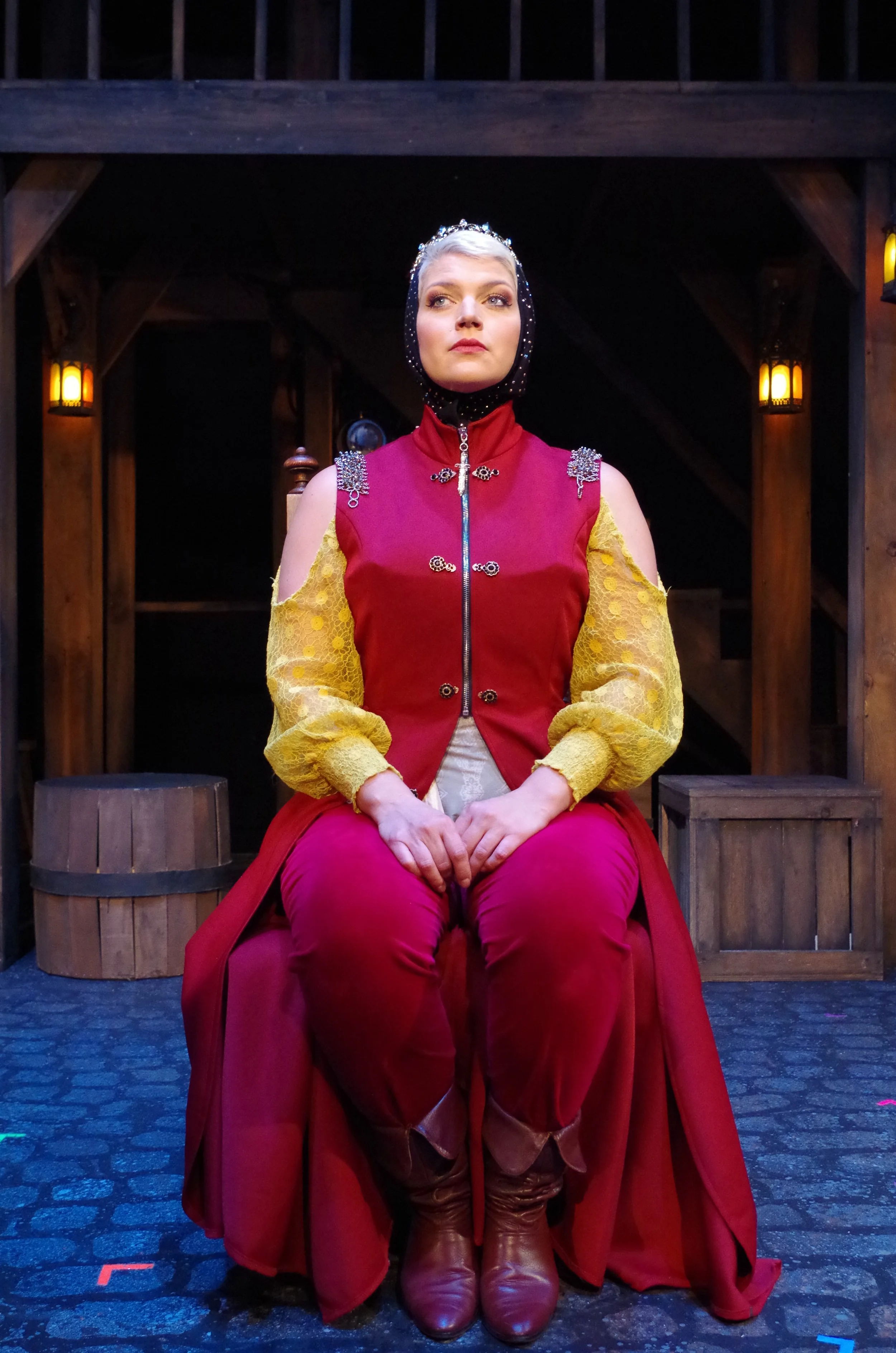
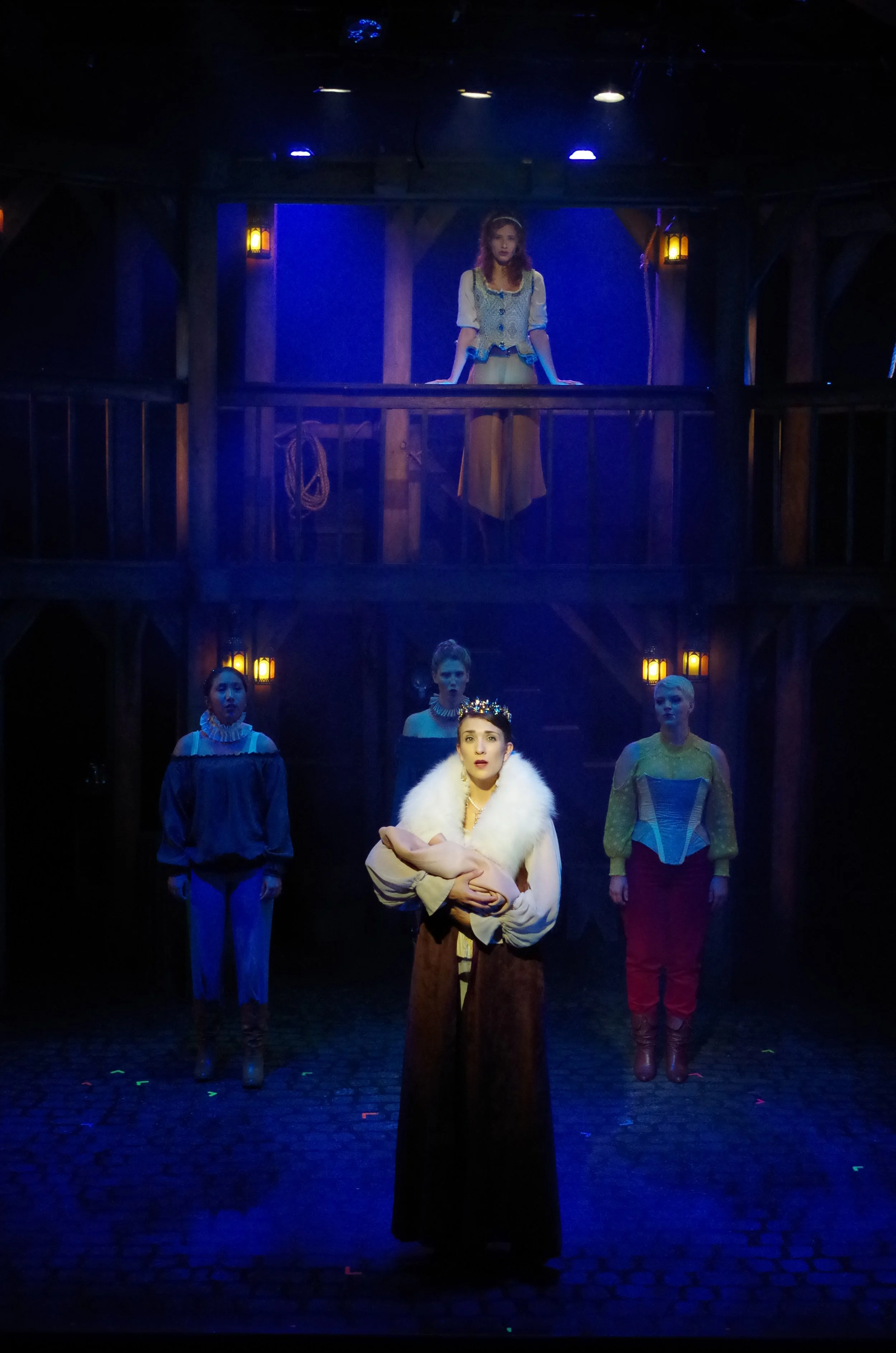
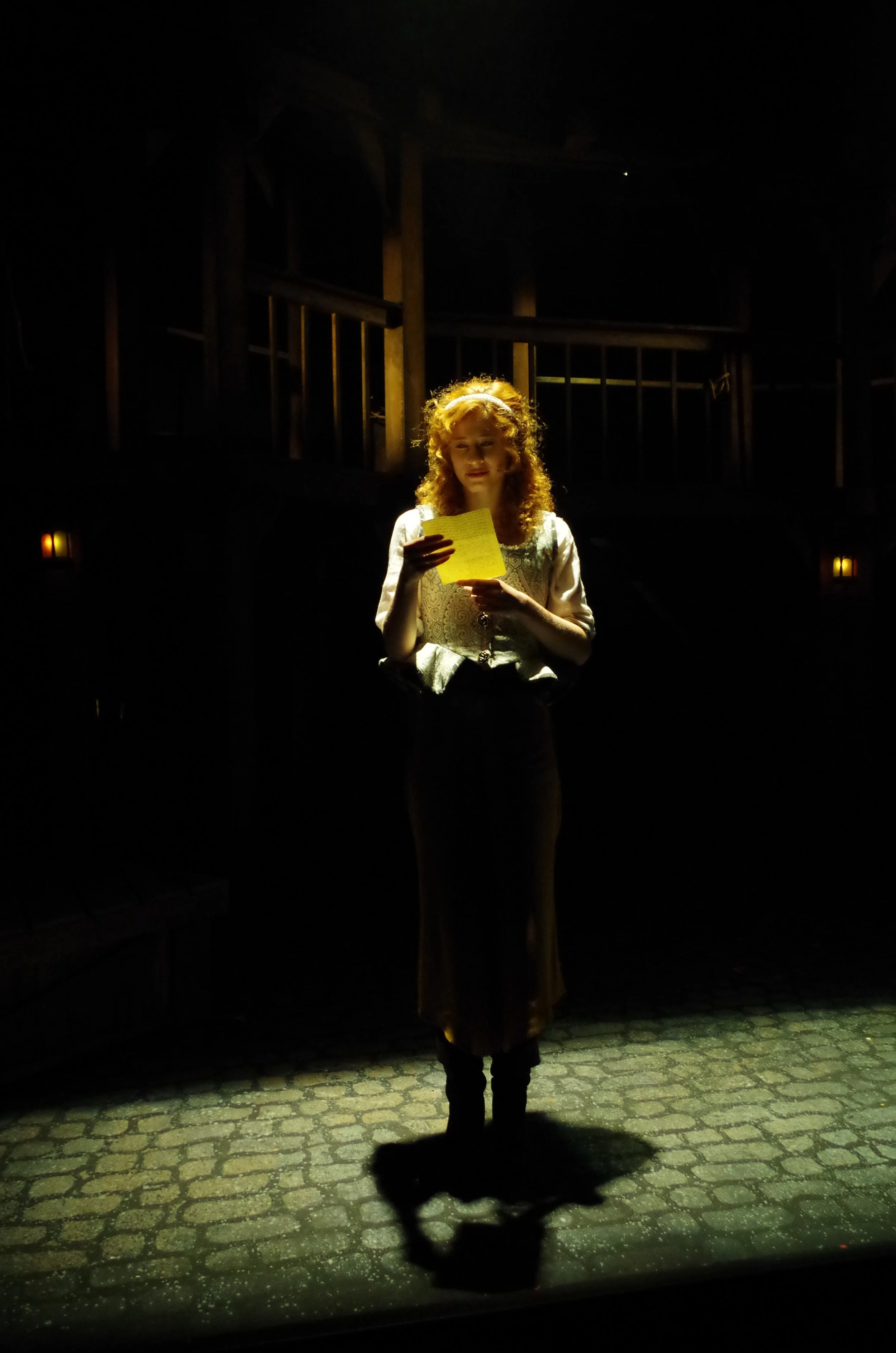
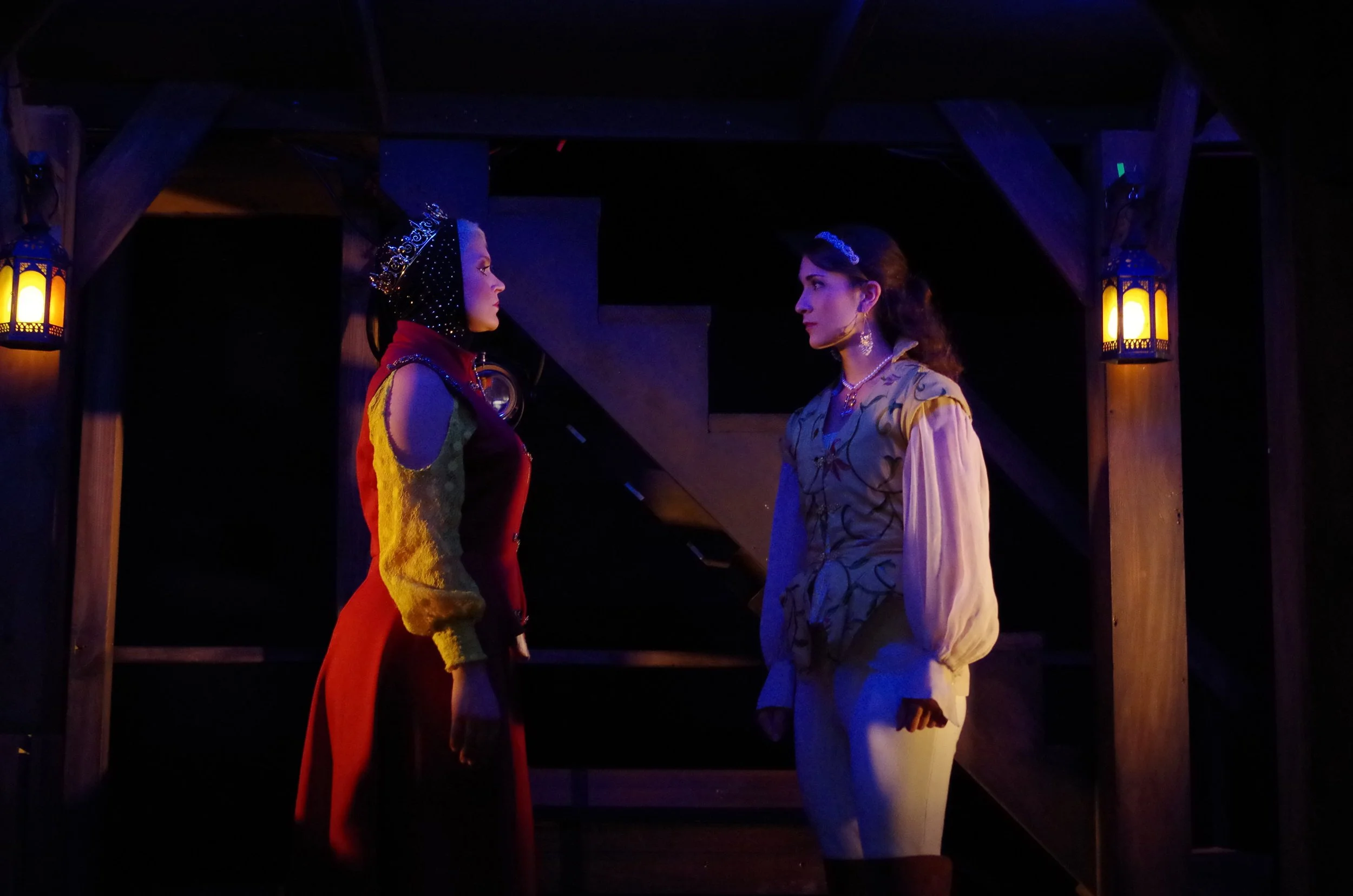
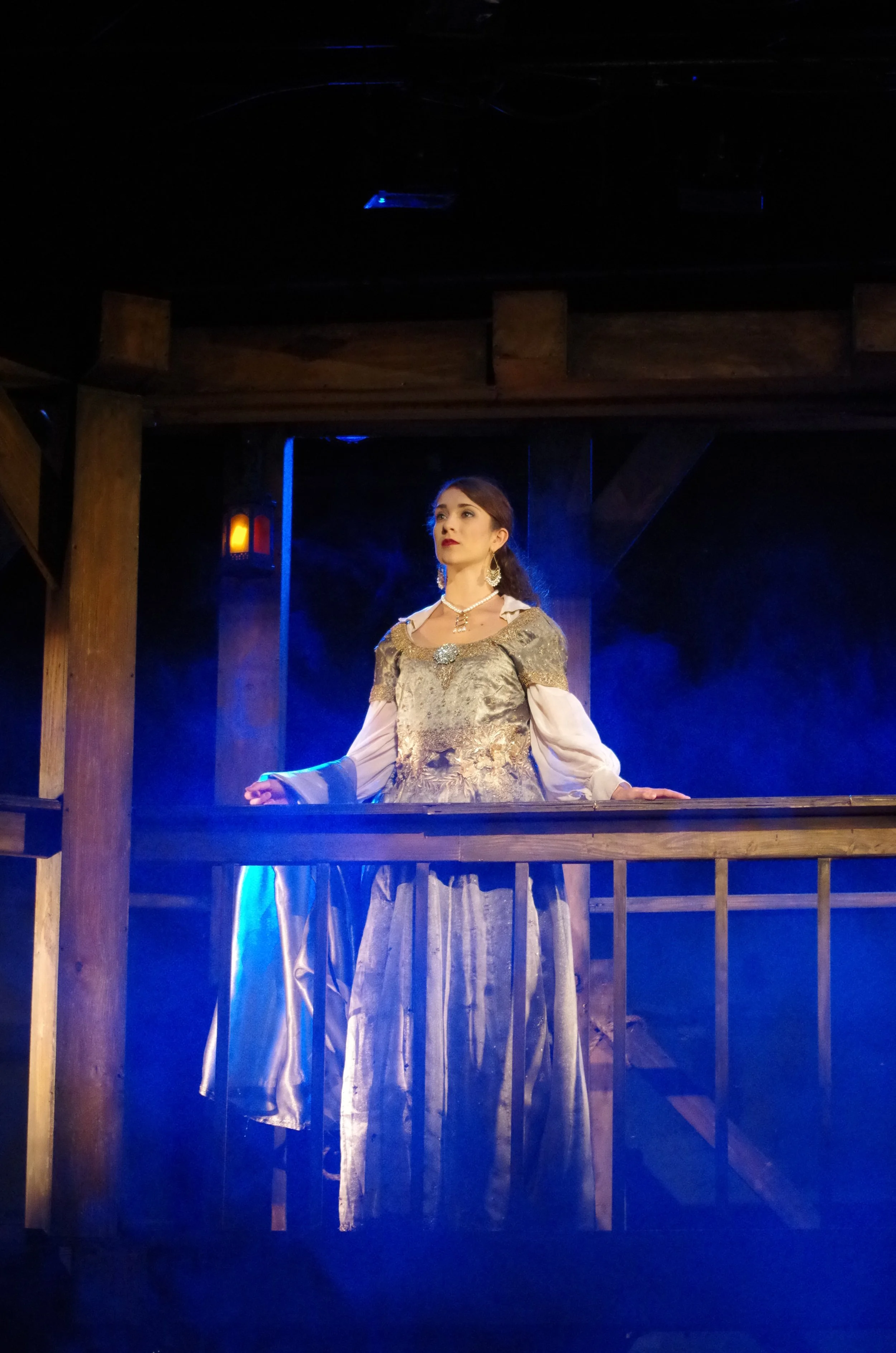
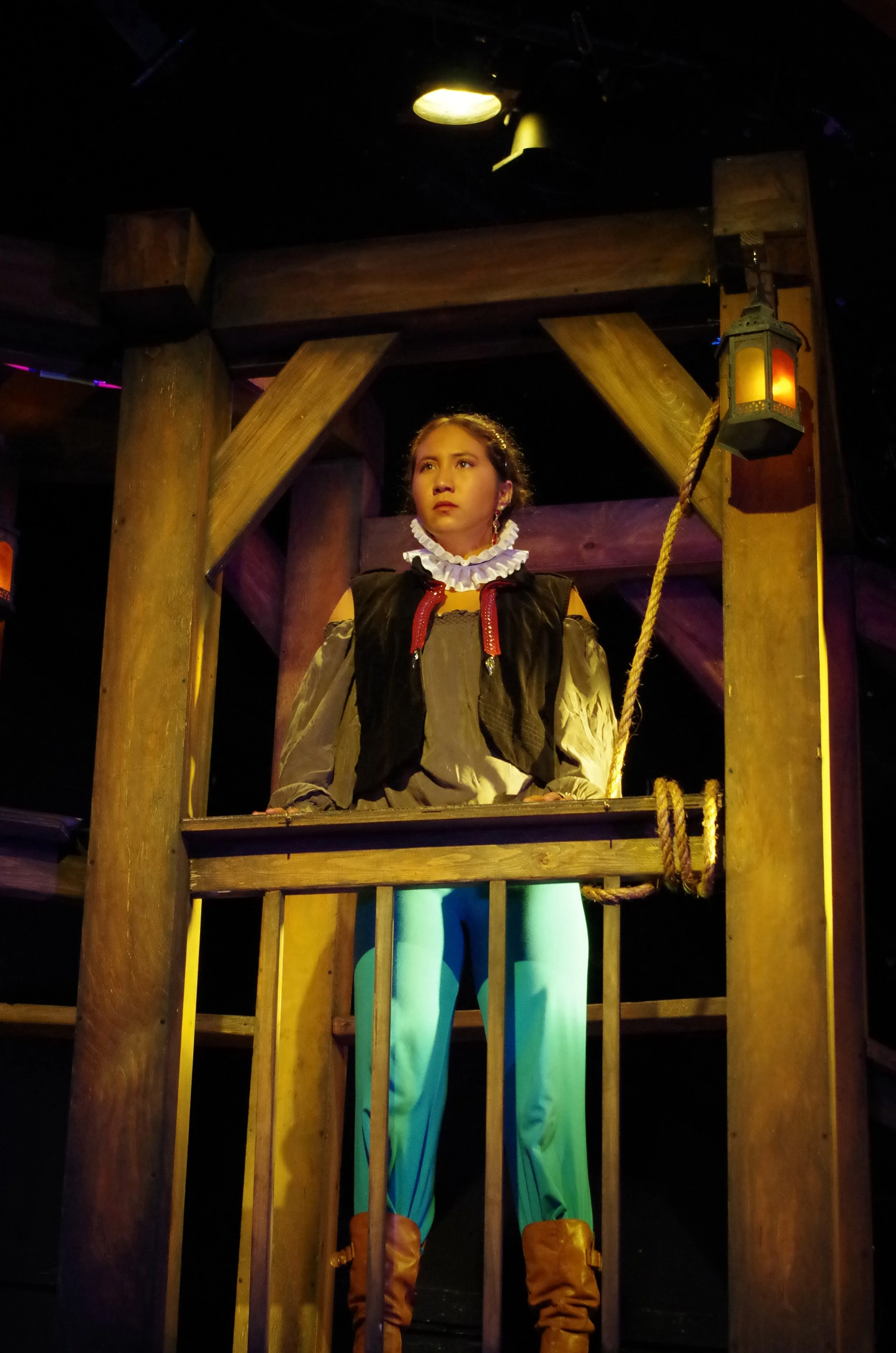
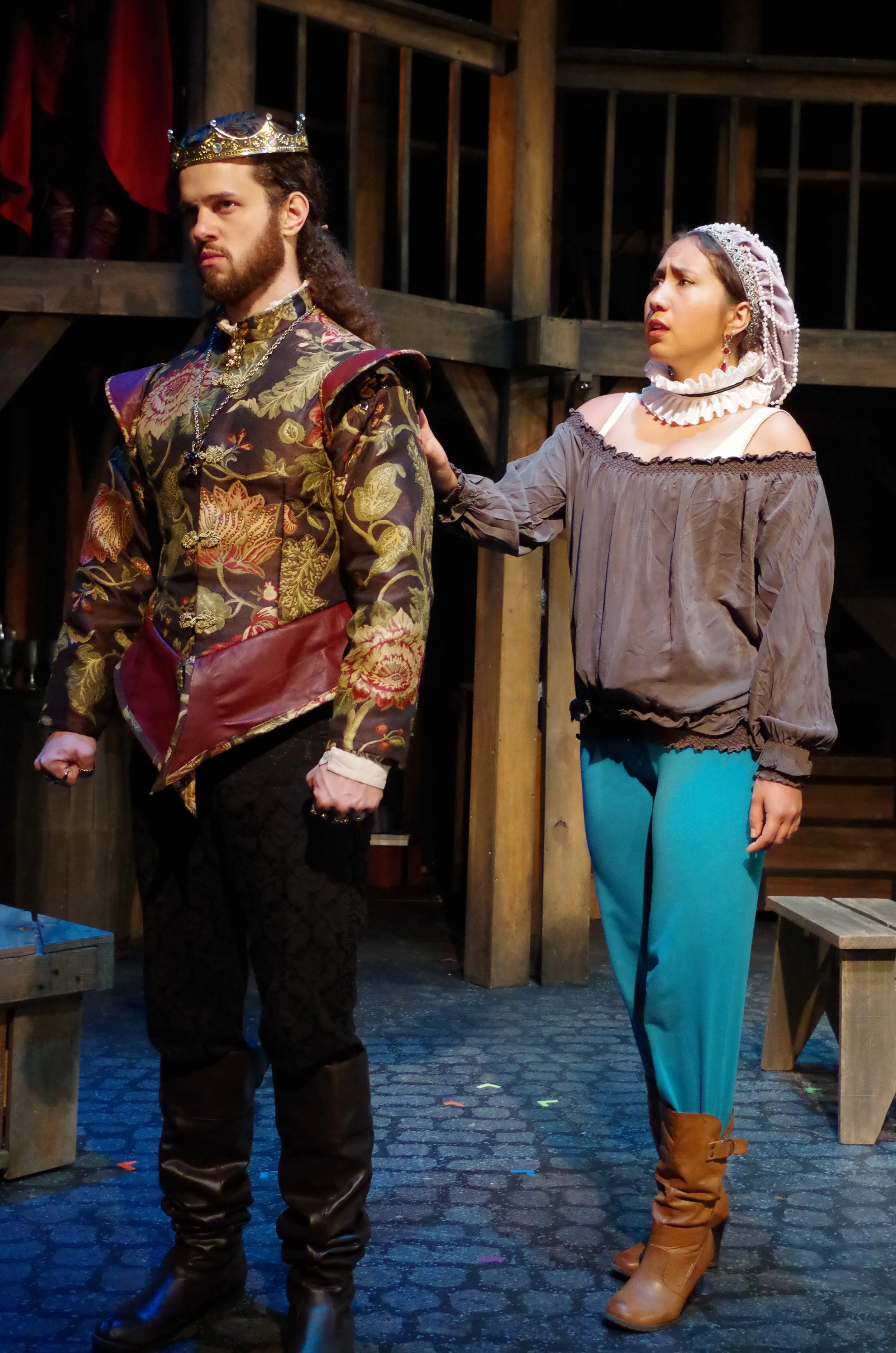
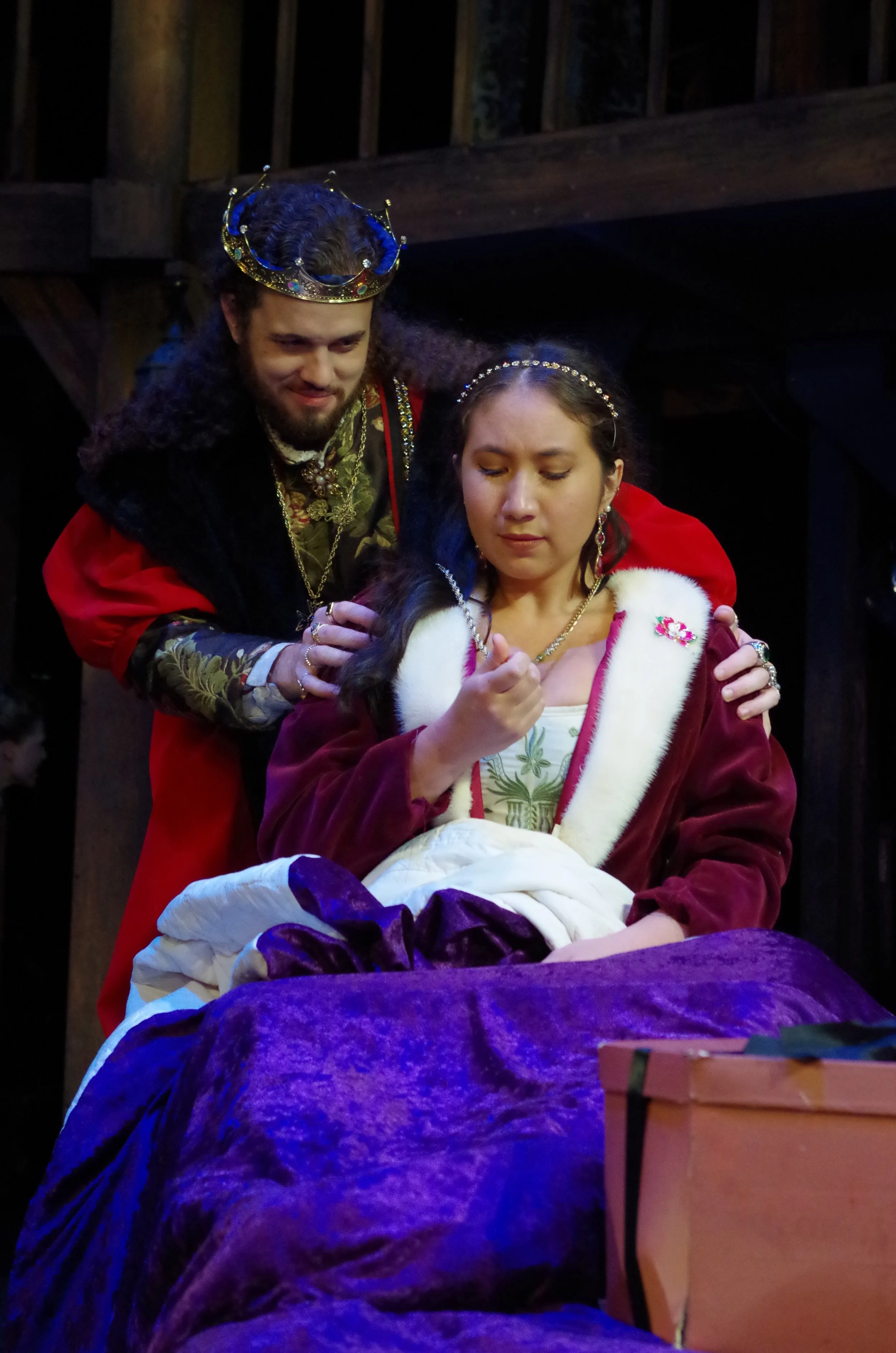
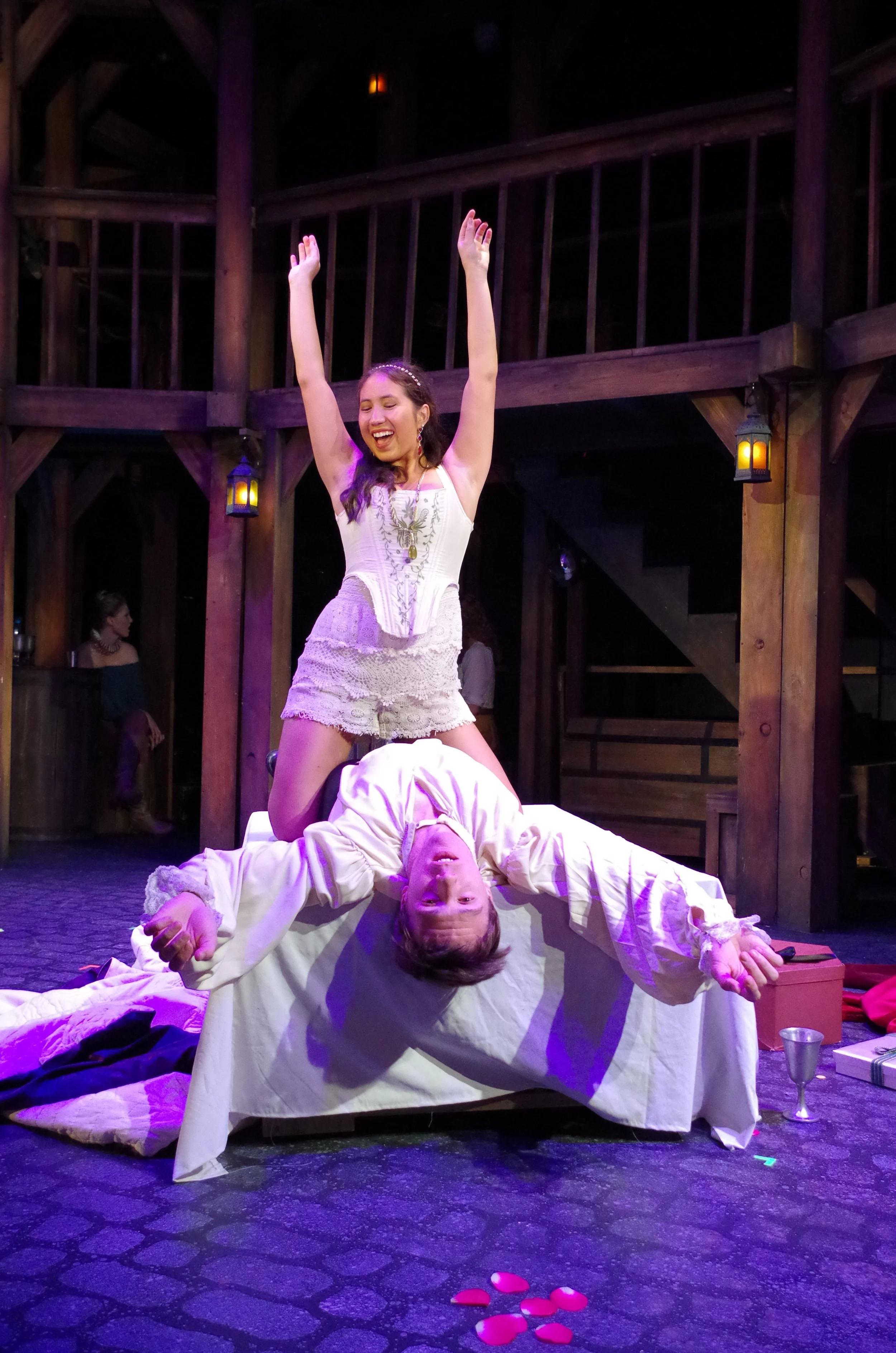
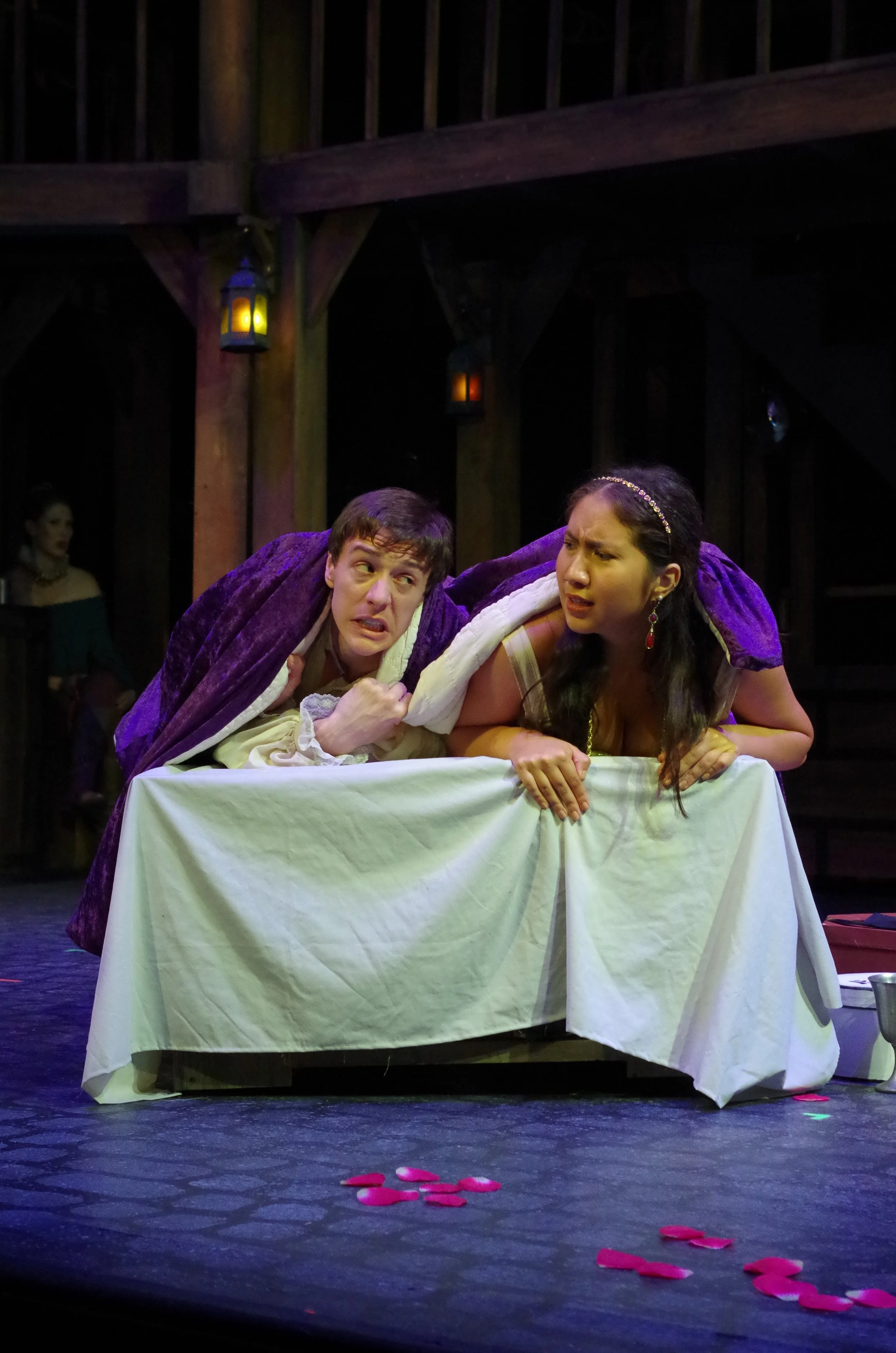
THE KING’S LEGACY is a celebration of remarkable women in history told through the stories of Anne Boleyn - the second wife of King Henry VIII - and their daughter Queen Elizabeth I. The show portrays how Henry’s obsession for a son tore his country apart, and how his and Anne’s daughter unexpectedly saved them all. The musical is performed by a small troupe of Players in honor of the fortieth anniversary of Queen Elizabeth I’s celebrated reign (London, 1598) and spans thirty-three years between two story lines: Anne’s ascension and fall the present, as she forges her own path amidst Henry’s desperate attempts to obtain a son; And the future, in which a young Elizabeth grows up learning how to become a great monarch from Henry’s later wives and through her mother’s legacy.
The King’s Legacy puts the spotlight on incredible women who unapologetically shattered the stained glass ceilings of their time. It’s a story of women finding their agency in a world that tries to stamp it out, and who then change that world despite the consequences. This show uses the craft of musical theatre to uplift women’s voices in strength and blend. And with women everywhere rising up to fight for equality and leadership, this story feels more timely than ever.
Log line
While an unruly king tears his country apart to acquire a son, an unshakeable young woman (Anne Boleyn) forges a destructive path to queenship and paves the way for her daughter (Elizabeth I) to become England’s Golden Age Queen.
Short Synopsis
THE KING’S LEGACY is a celebration of women’s accomplishments against all odds in an oppressively patriarchal world, told through the story of the wives and daughters of Henry VIII. The show portrays how Henry’s obsession for a son tore his country apart, and how his daughter with Anne Boleyn, Queen Elizabeth I, unexpectedly saved them all. The musical is performed by a small troupe of Players in honor of the fortieth anniversary of Queen Elizabeth I’s celebrated reign (London, 1598) and spans thirty-three years between two story lines. The present consists of Henry’s attempts to obtain a son, while Anne Boleyn seizes all opportunities to forge her own path, and the subsequent consequences for Catherine of Aragon and the English court. The future centers on Henry and Anne's daughter, Elizabeth, as she grows up and learns how to become a great monarch through her mother’s legacy and Henry’s later wives.
A celebration of women's culture-defying accomplishments in a patriarchal world.
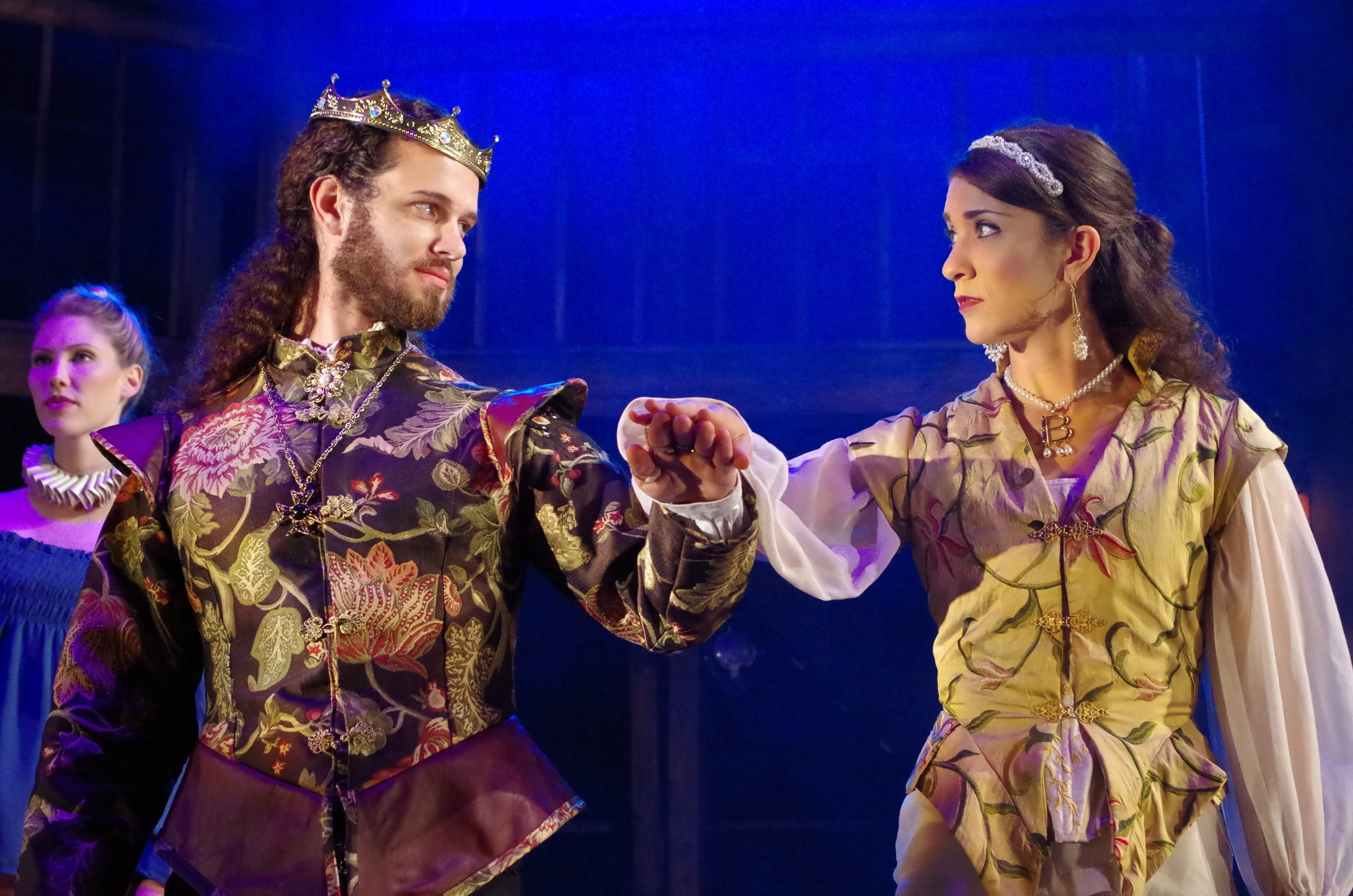
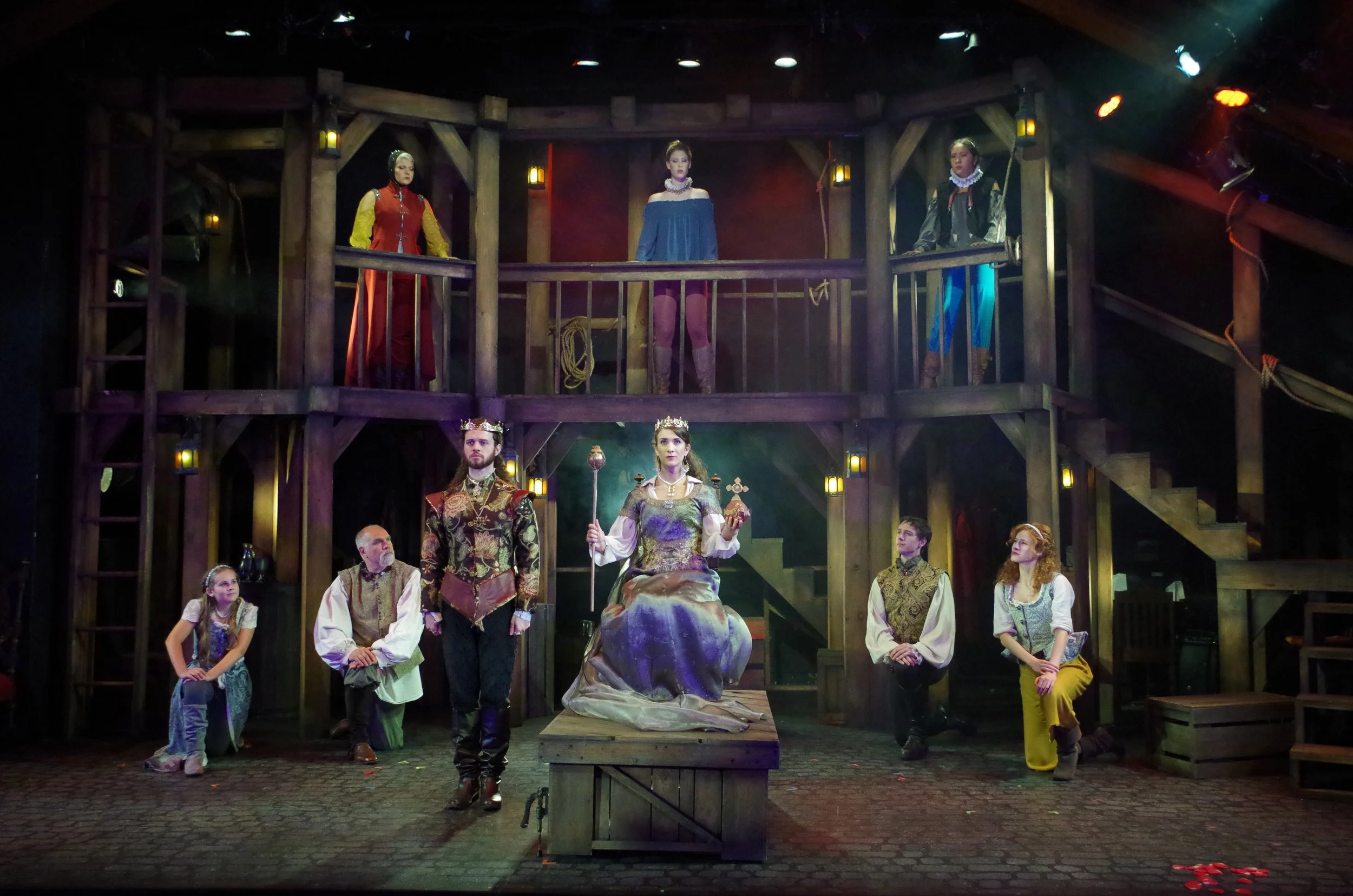
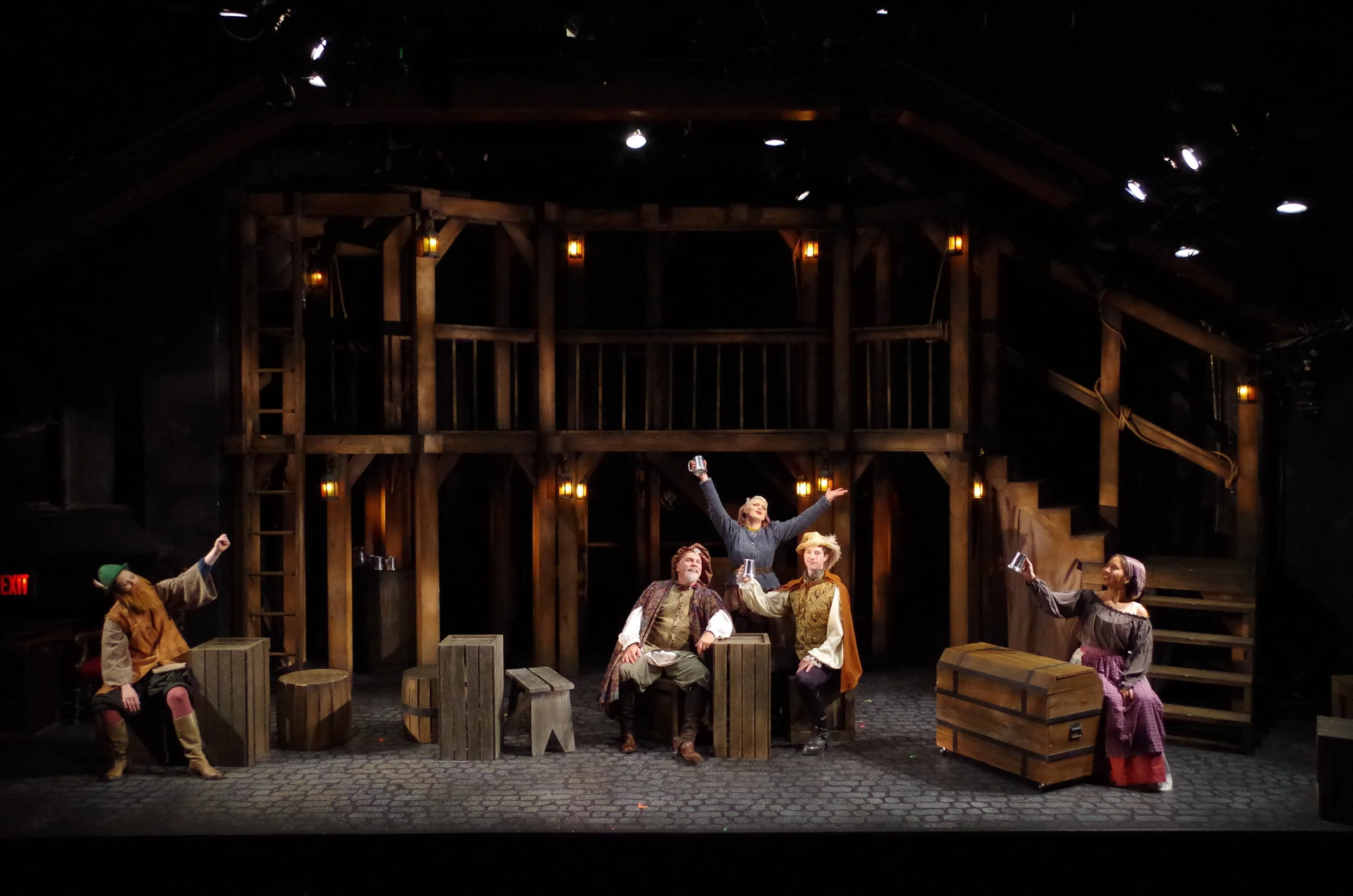
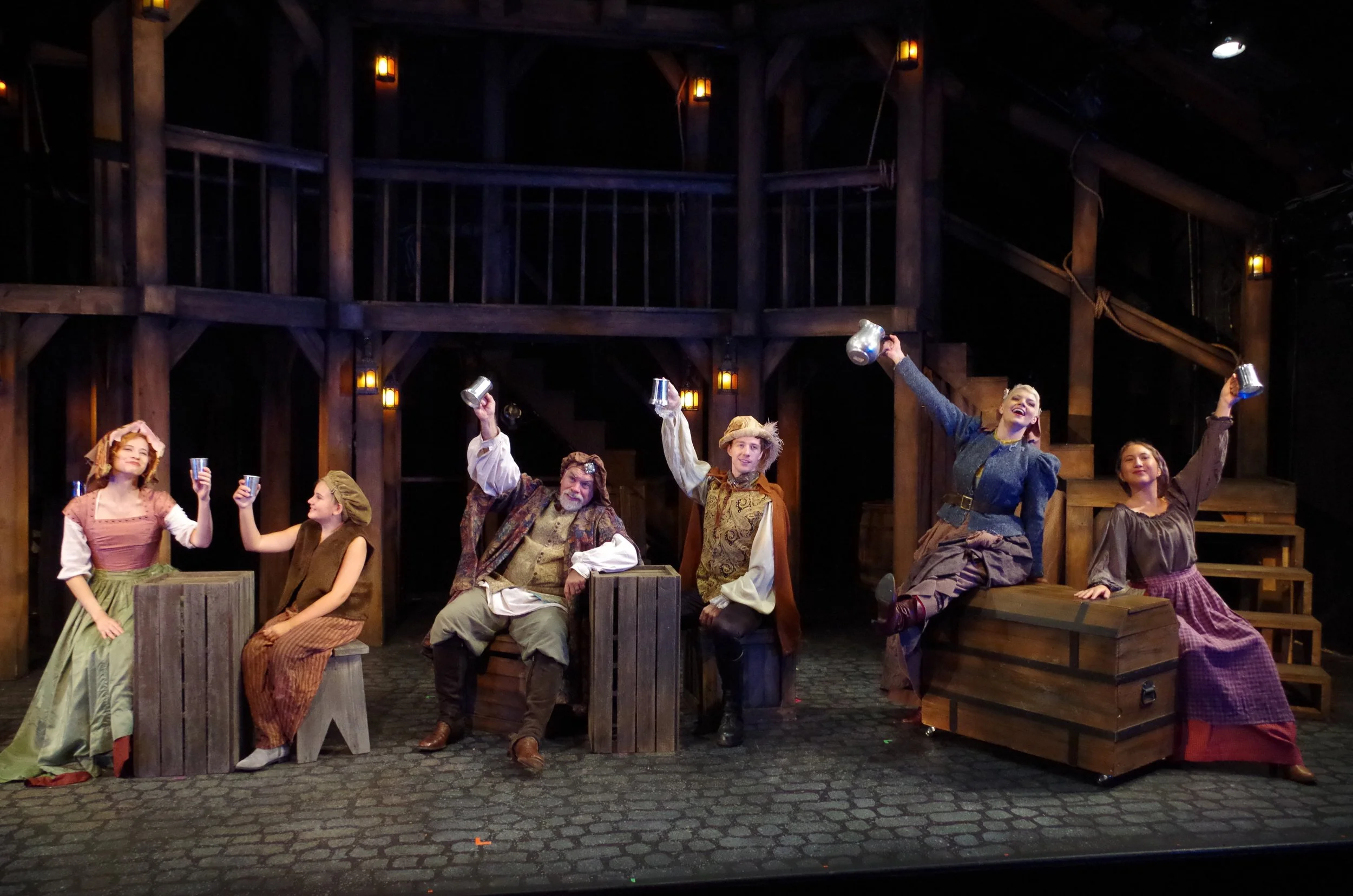
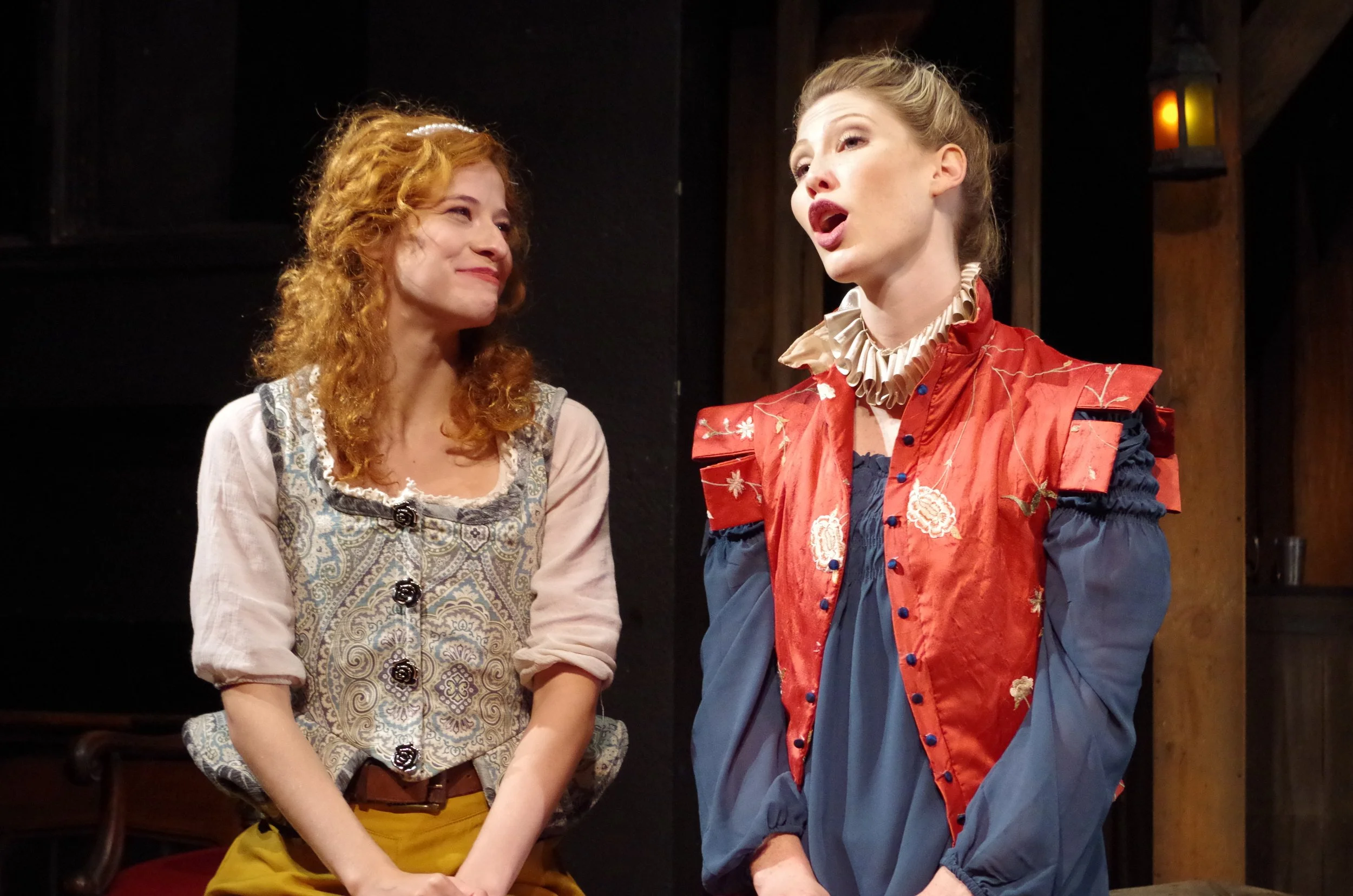
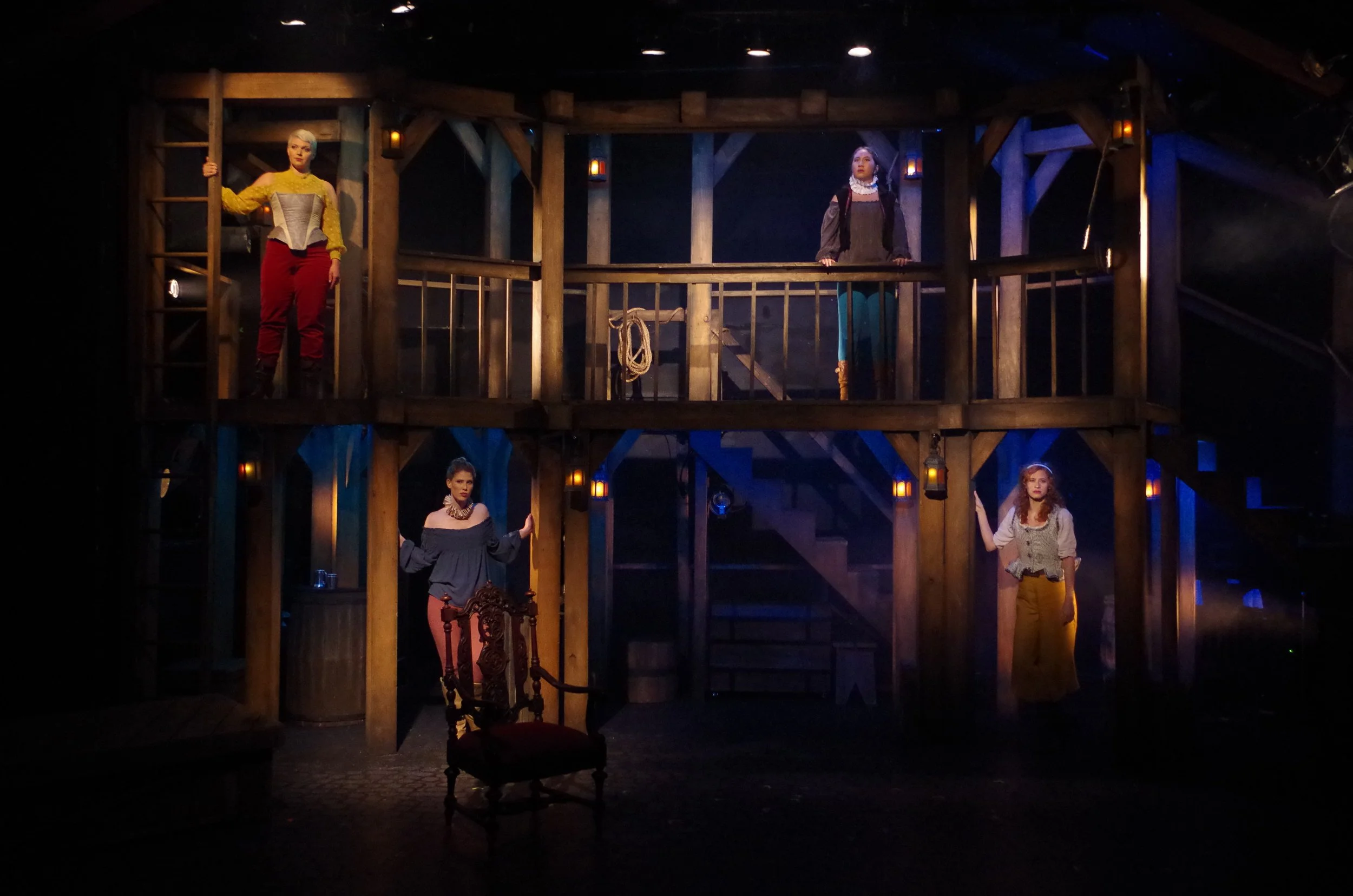
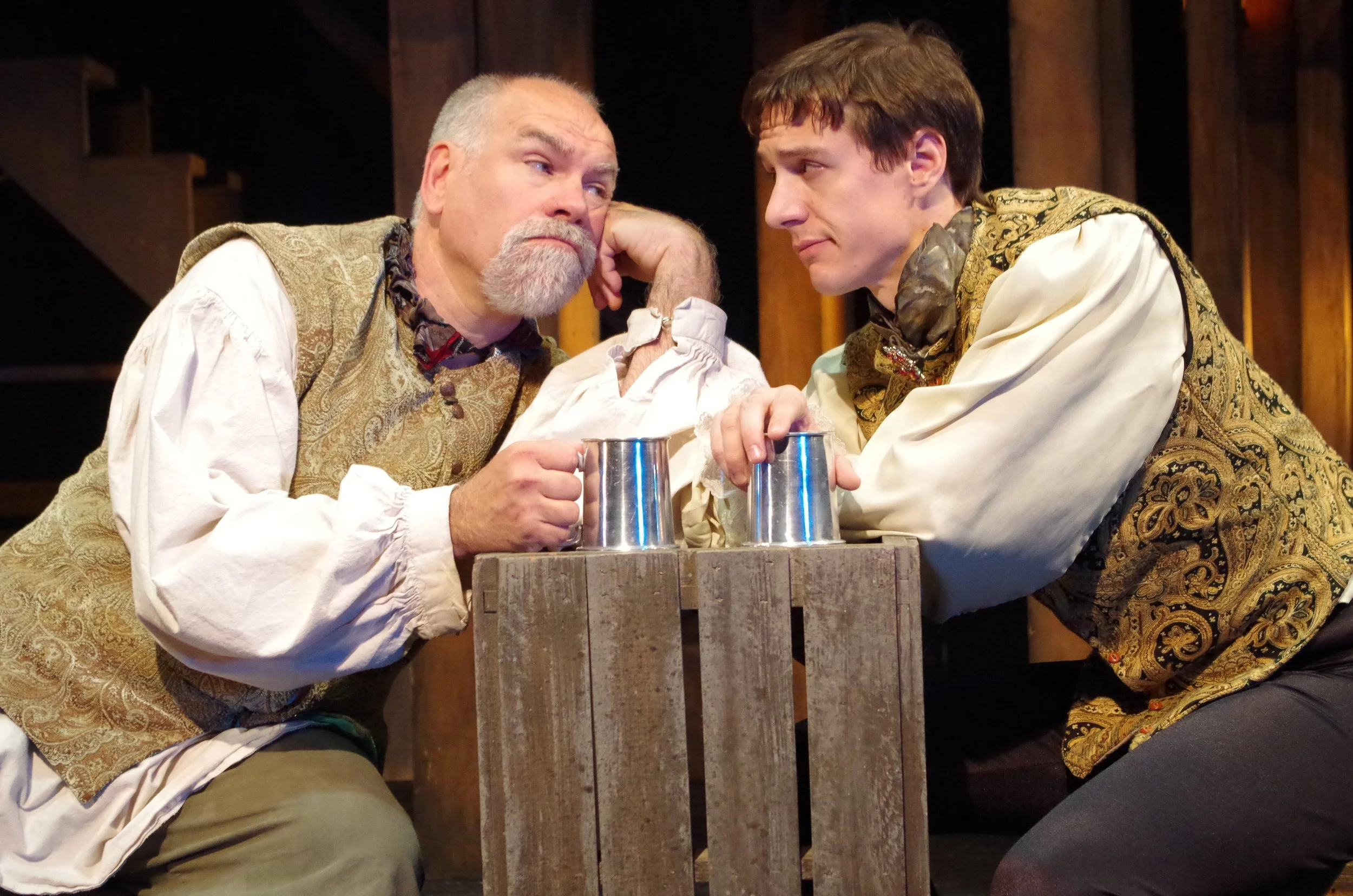
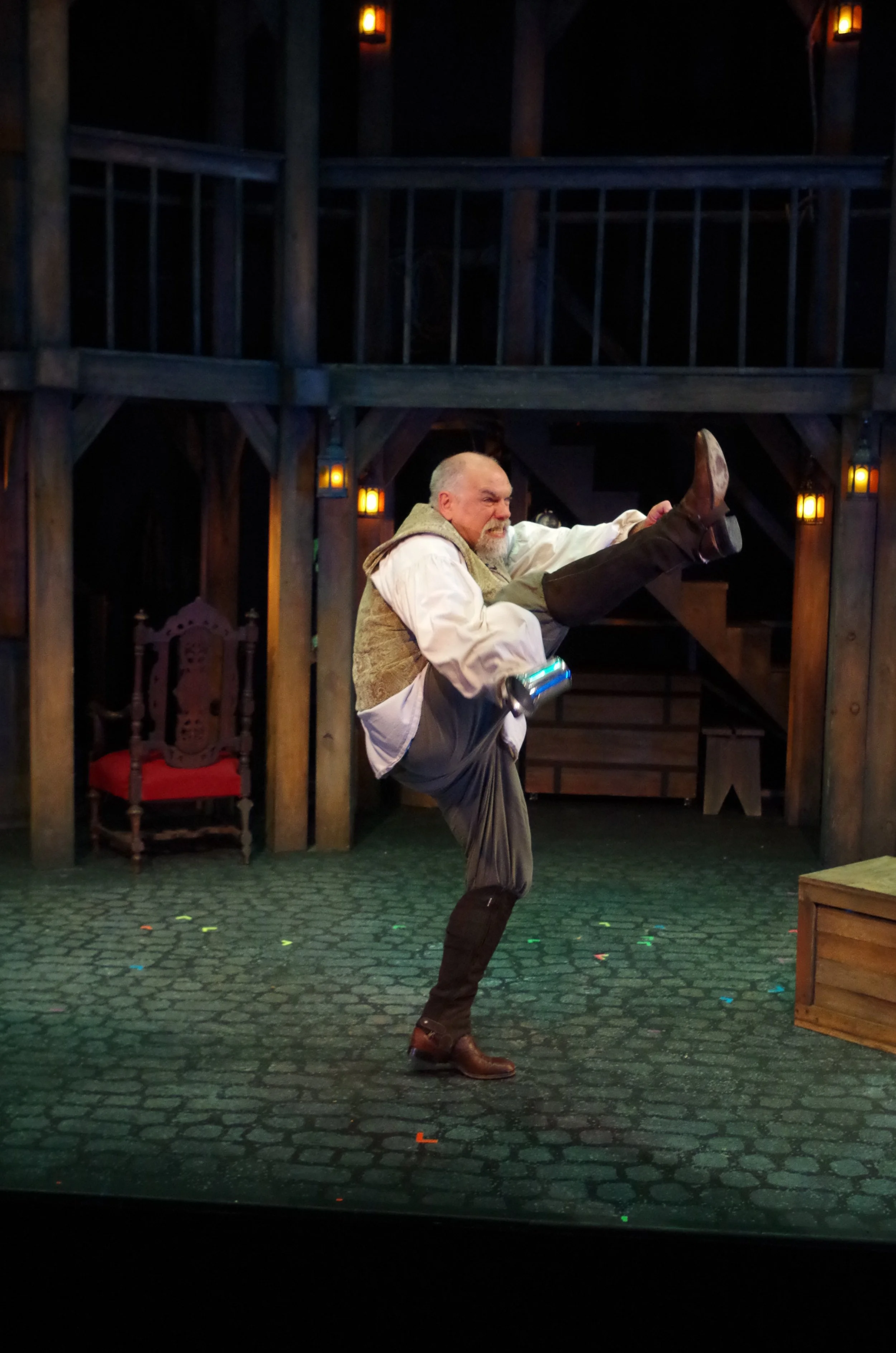
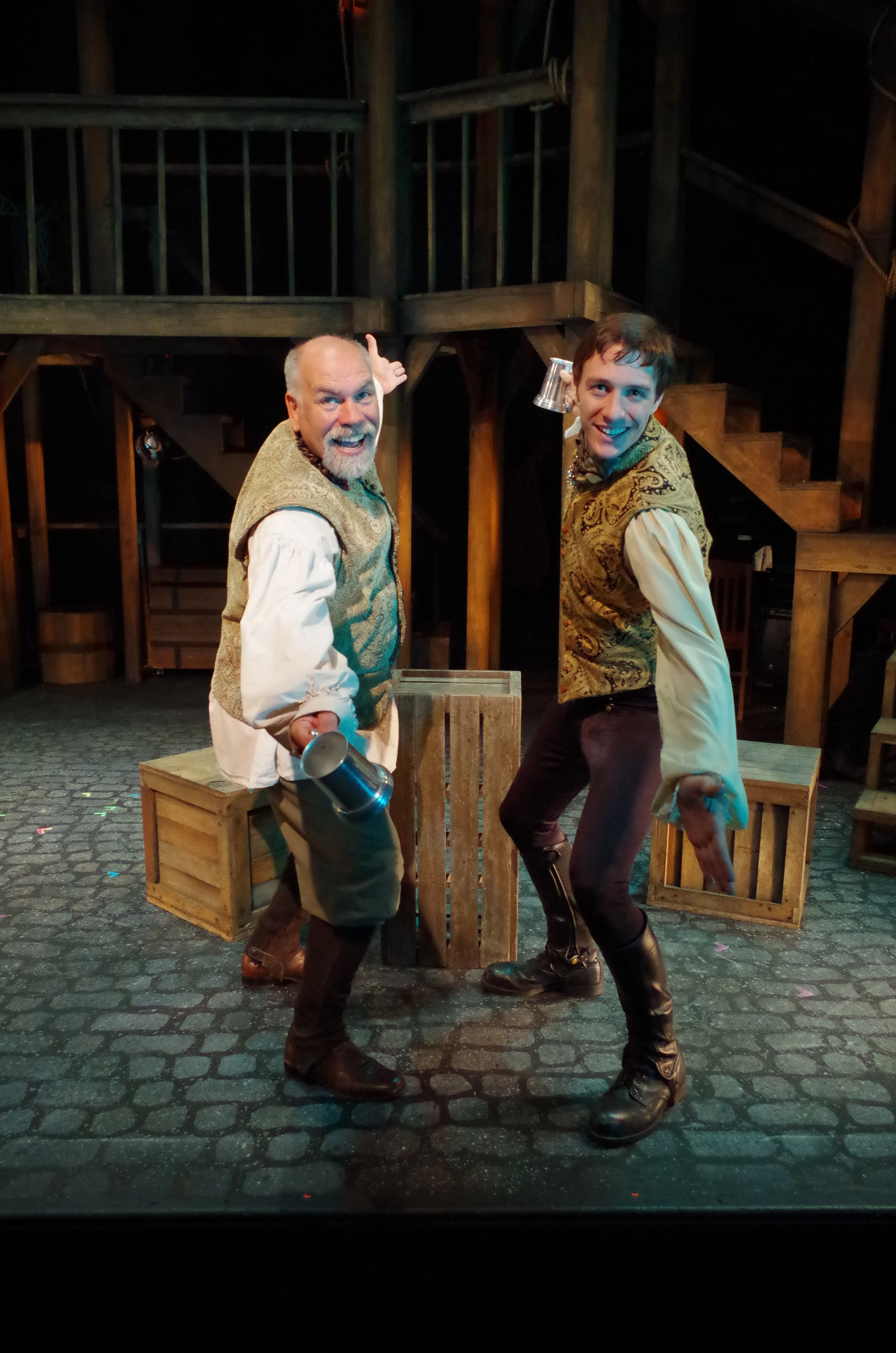
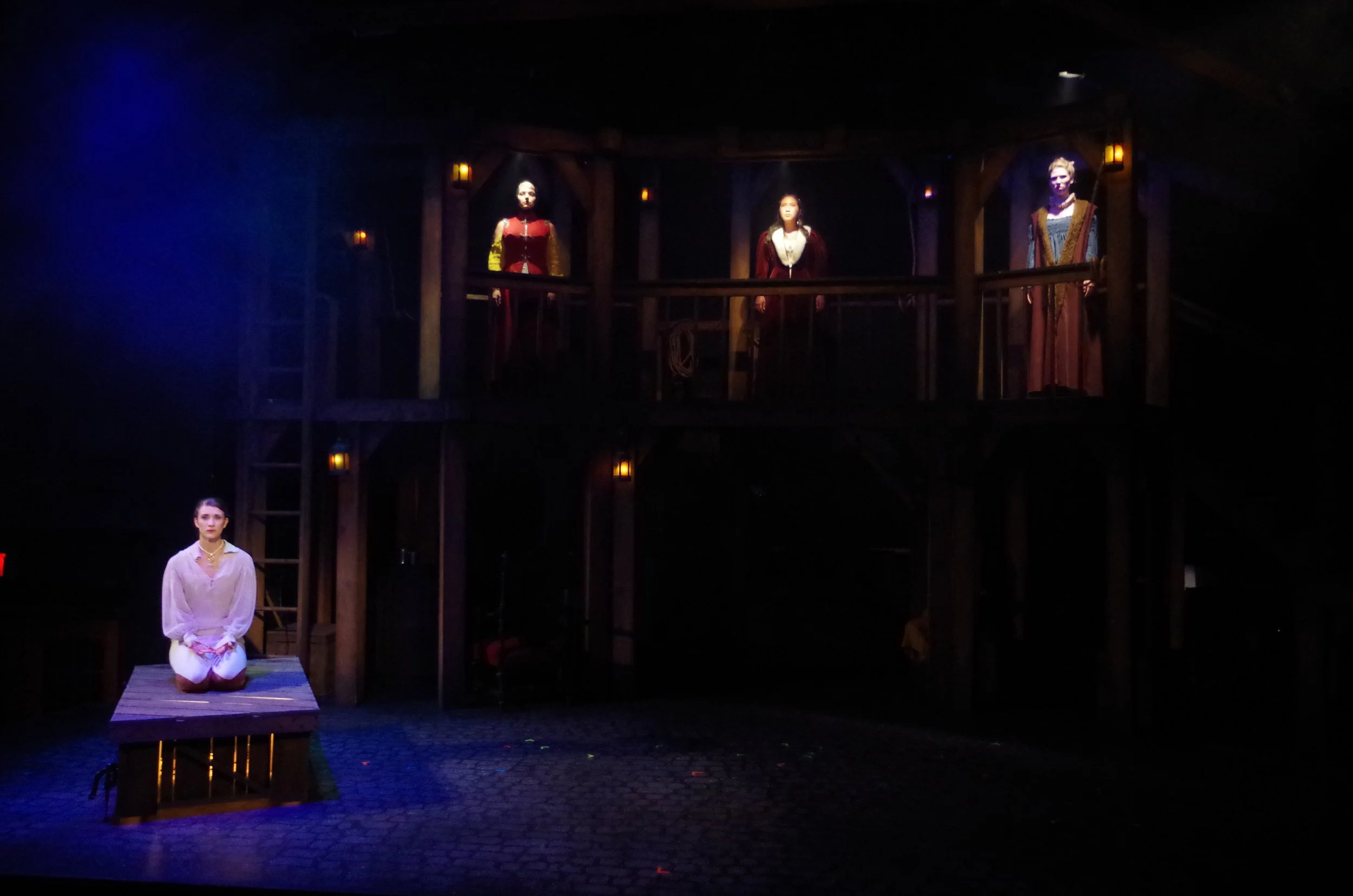
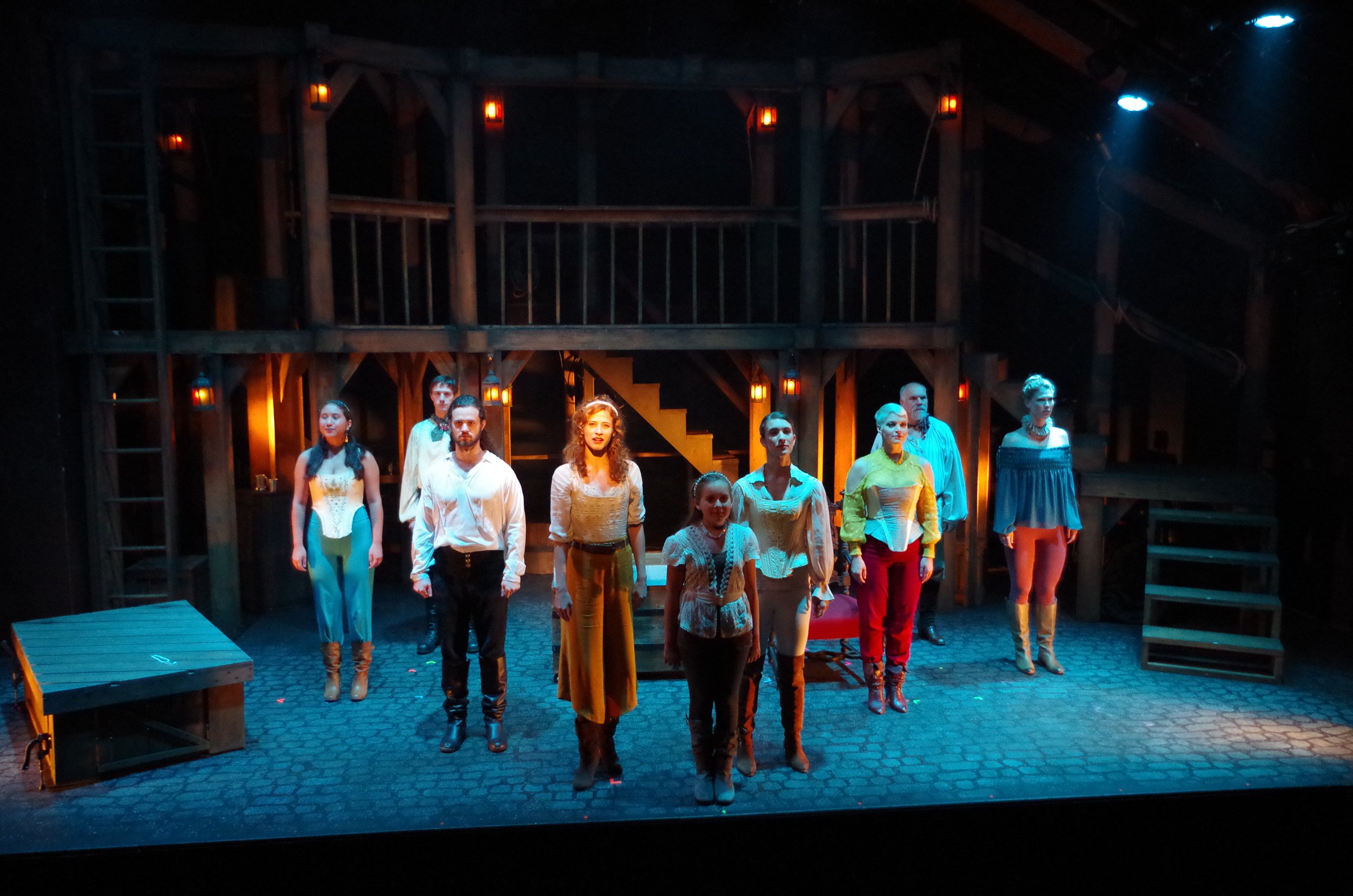
The cast of The King’s Legacy at Bristol Valley Theater (Photo by Rich Miller)
The Characters
The Central Family
Anne Boleyn
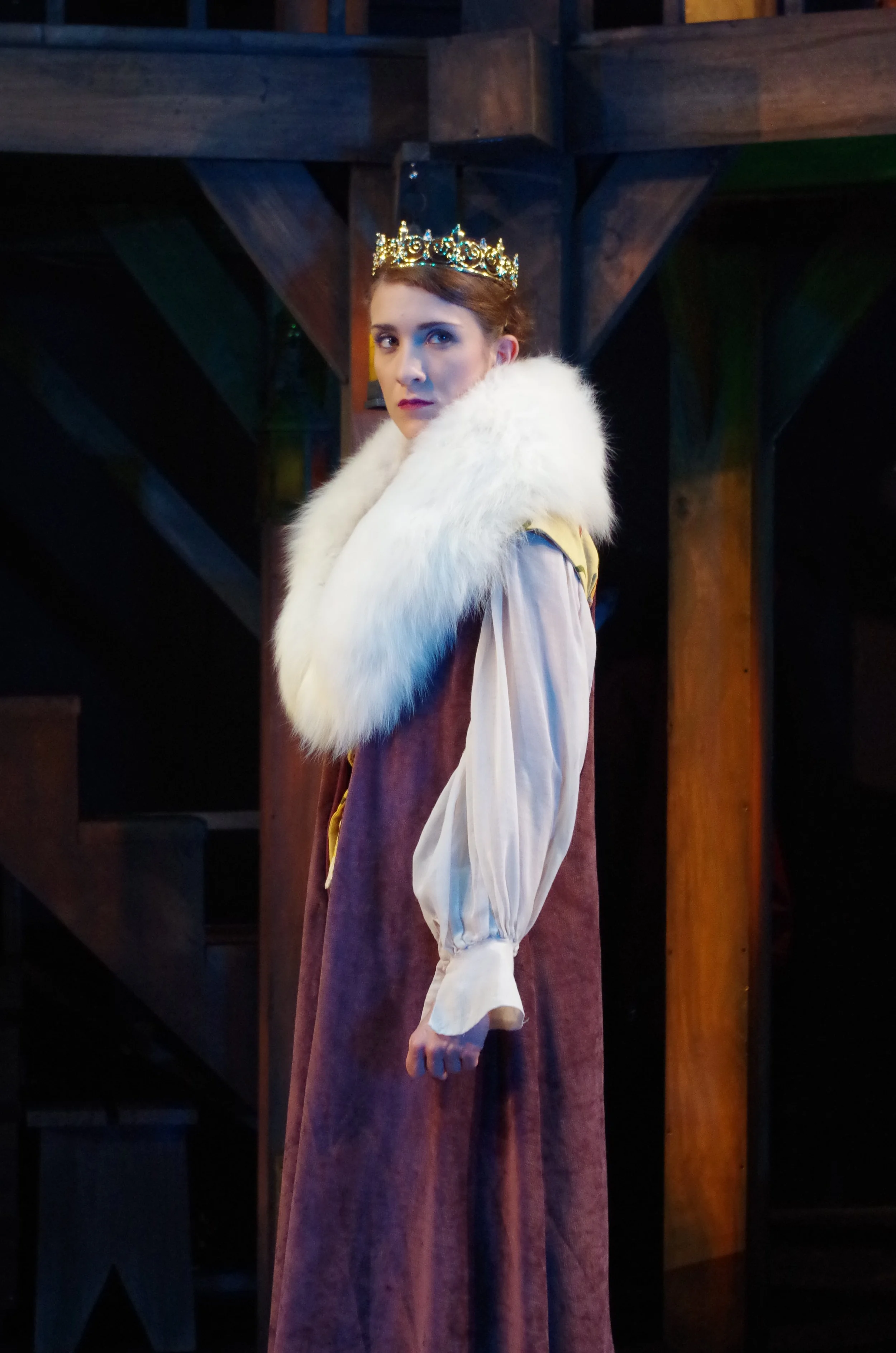
Fierce, intelligent, ambitious, and headstrong. She has genuine feelings for Henry, but an equal desire for control over her own life. Anne will sacrifice whatever she needs to in order to obtain what she desires.
Elizabeth
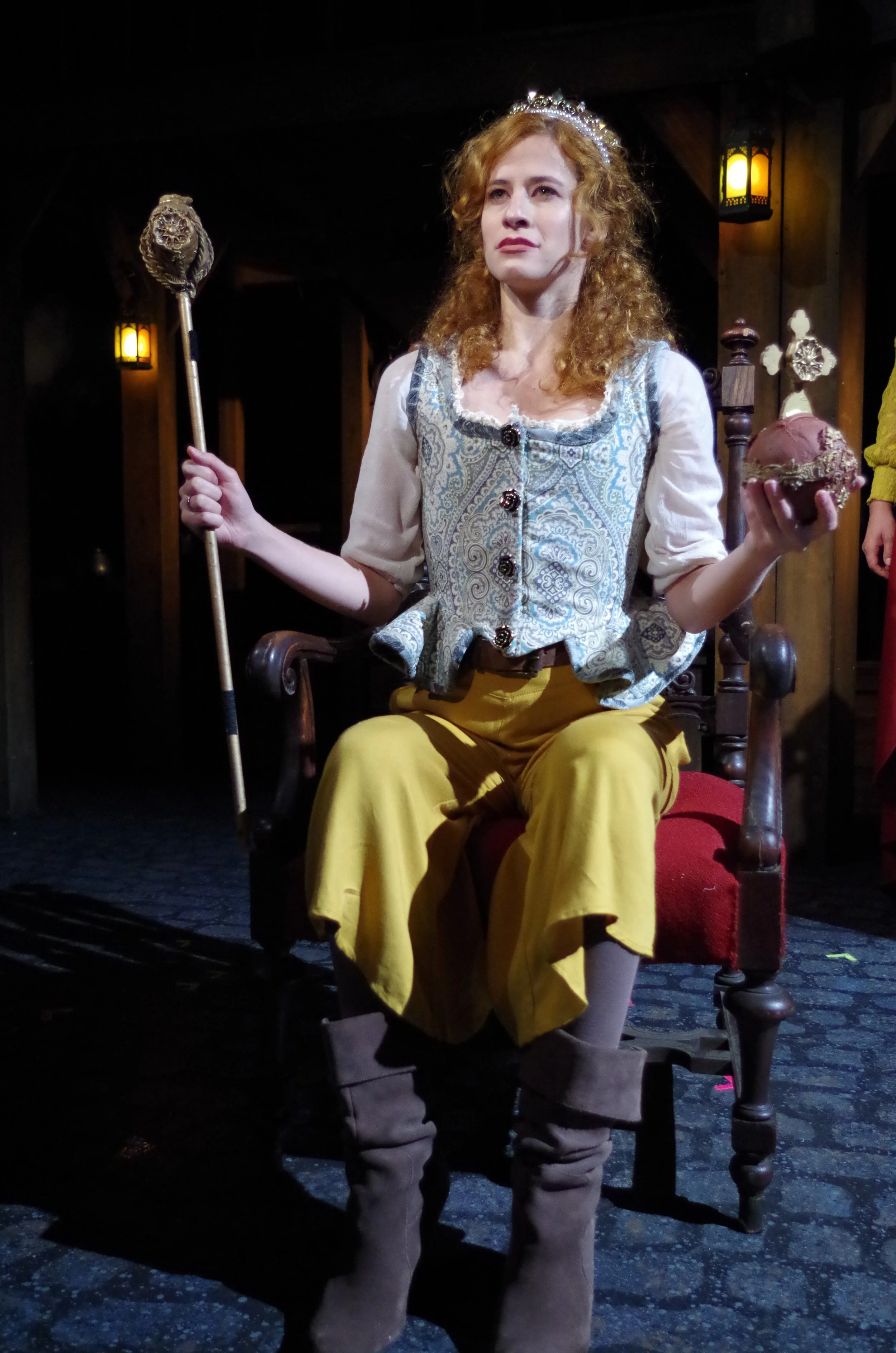
(Queen Elizabeth I) Daughter of Henry and Anne Boleyn. Adept at reading the atmosphere around her and responding accordingly. Extremely bright and always ready to learn. In the end, she becomes the great monarchical legacy that Henry always wanted.
Henry
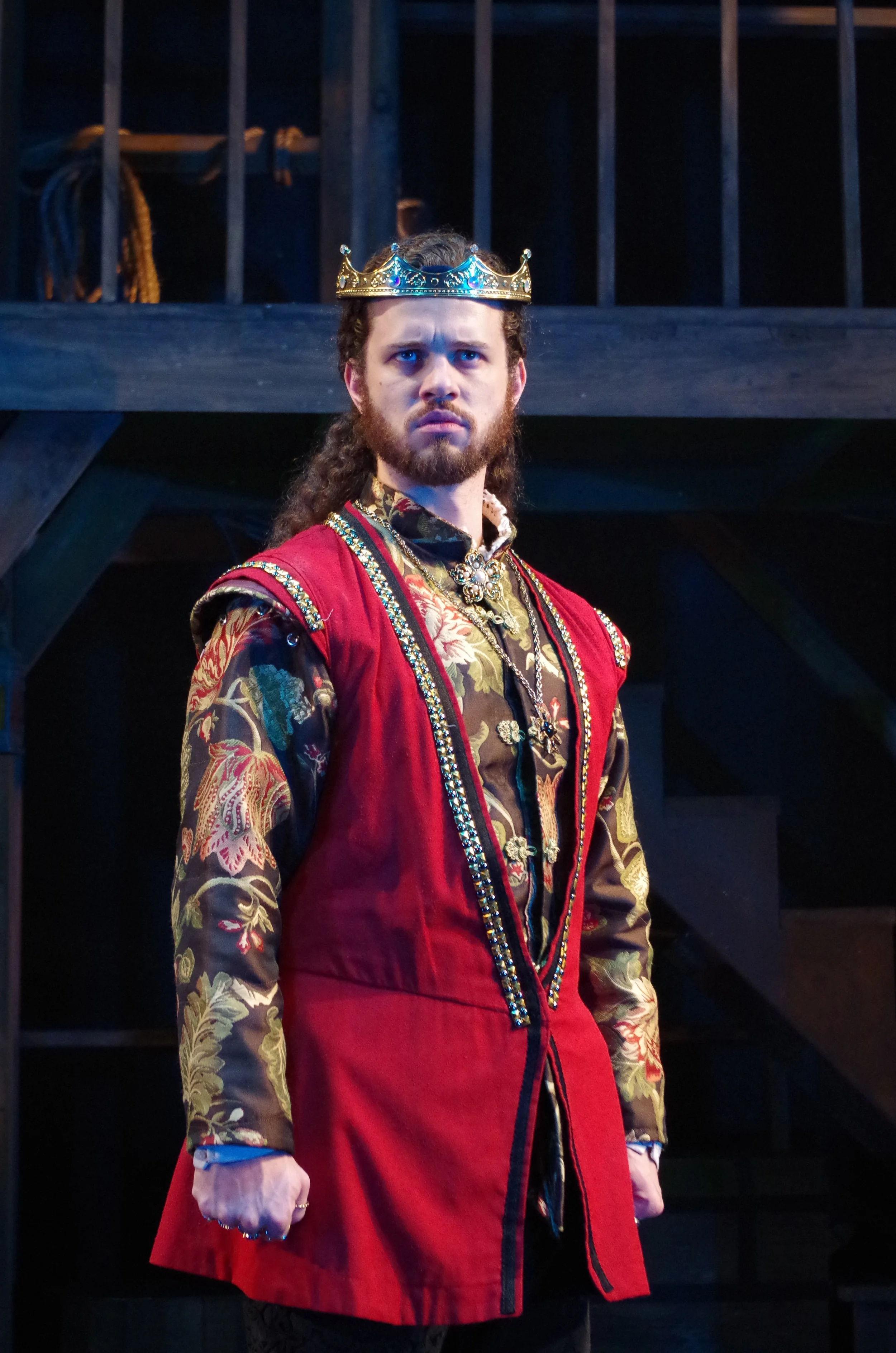
(King Henry VIII) He is a young, strong, commanding leader. Henry is loyal, proud, and egotistical, but has a great capacity to love. He is obsessed with obtaining a son.
Catherine of Aragon
Daughter of Isabelle and Ferdinand of Spain, and Henry’s first wife. Catherine is the epitome of a royal figure. She loves Henry greatly and cares deeply for the English people. Mother of Mary.
Mary
(Queen Mary I) Daughter of Henry and Catherine of Aragon. Proud, headstrong, and fully believes the crown is her birthright. She becomes resentful of not being named Henry’s direct heir.
Young Elizabeth
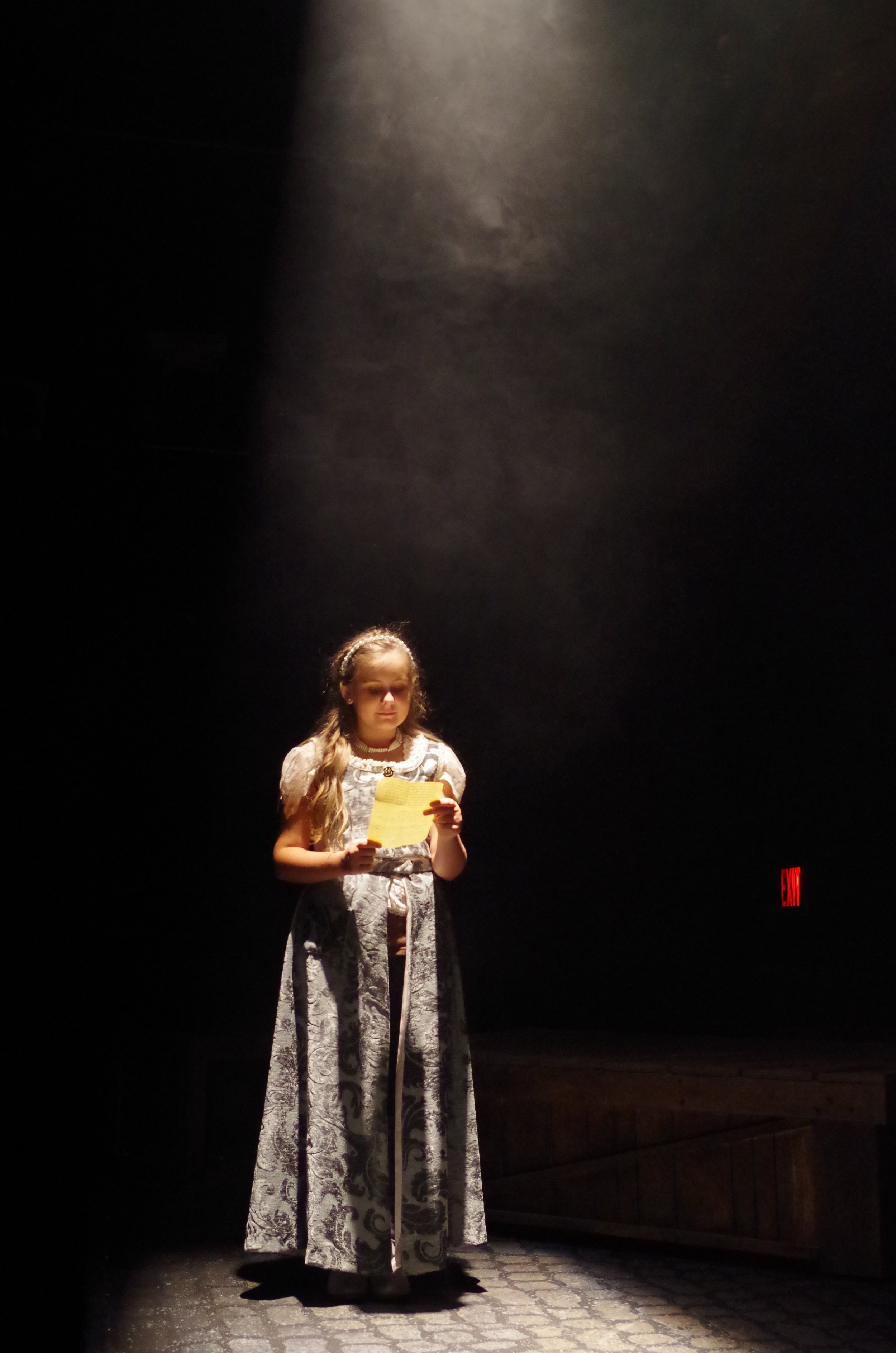
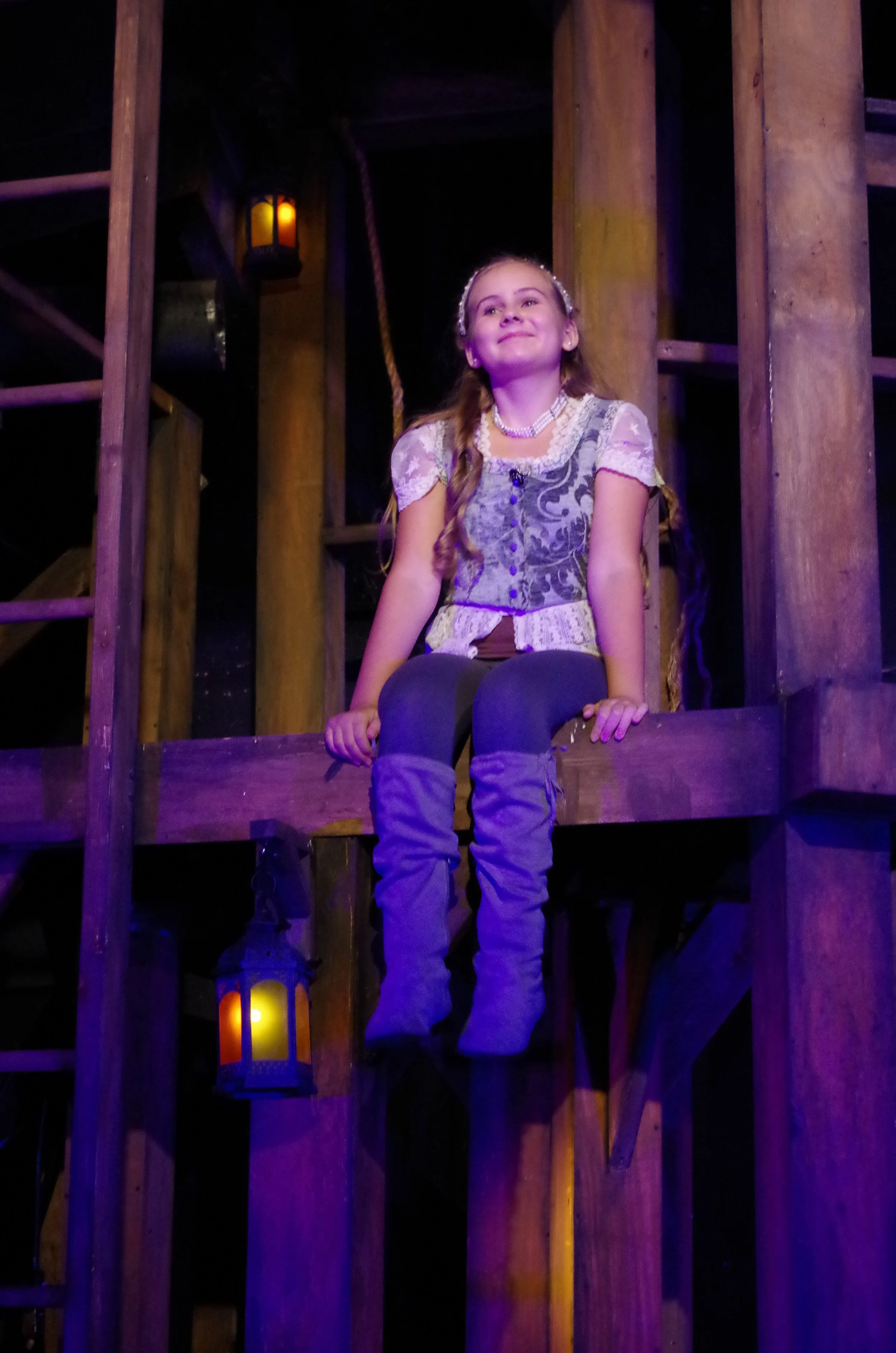
Played at two young ages. Precocious, curious, and loving. Always ready to learn.
Mary Boleyn (not pictured)
Sister to Anne Boleyn. She has an affair with Henry prior to Anne’s arrival at court and introduces Anne to Catherine of Aragon.
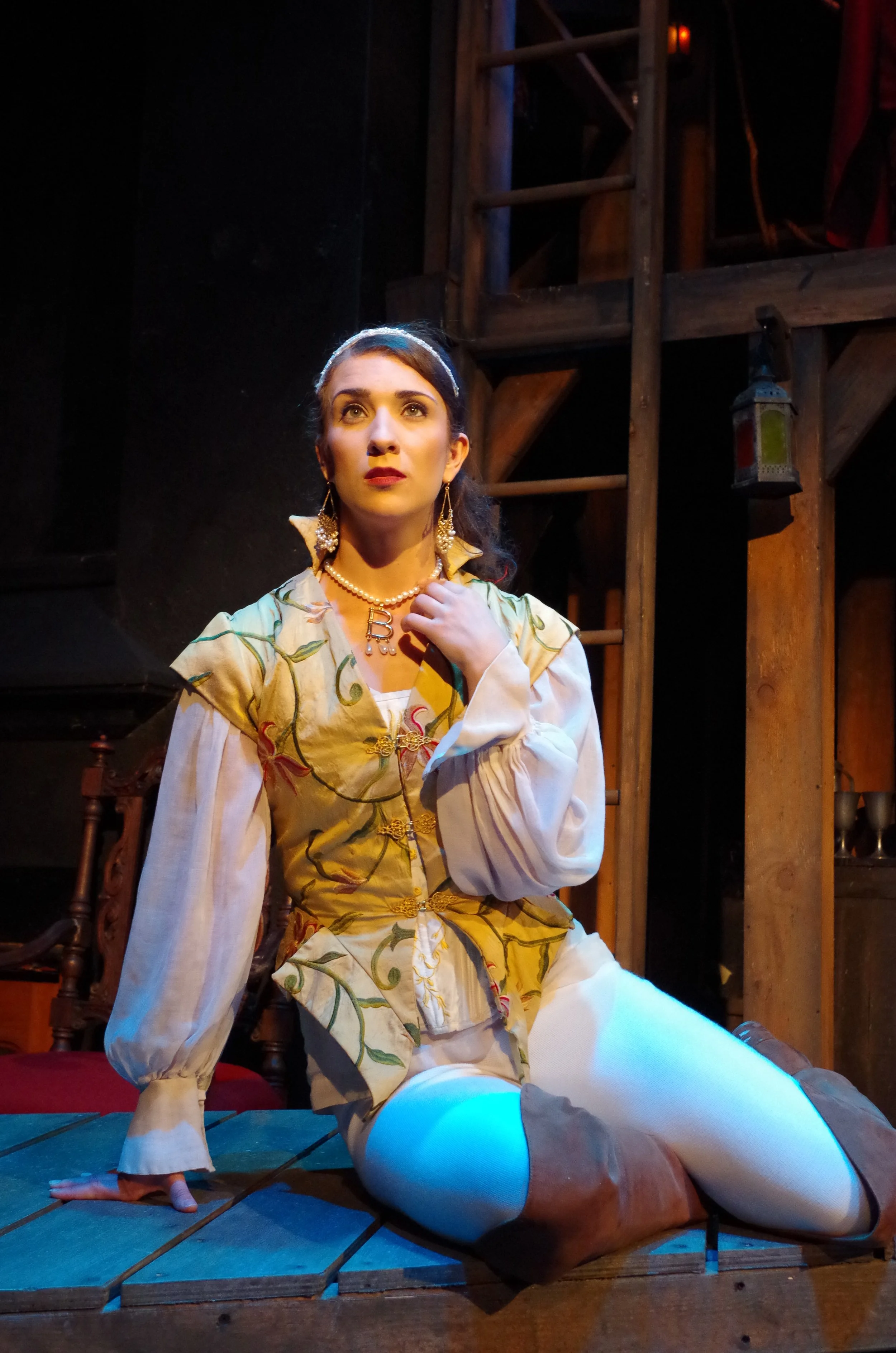
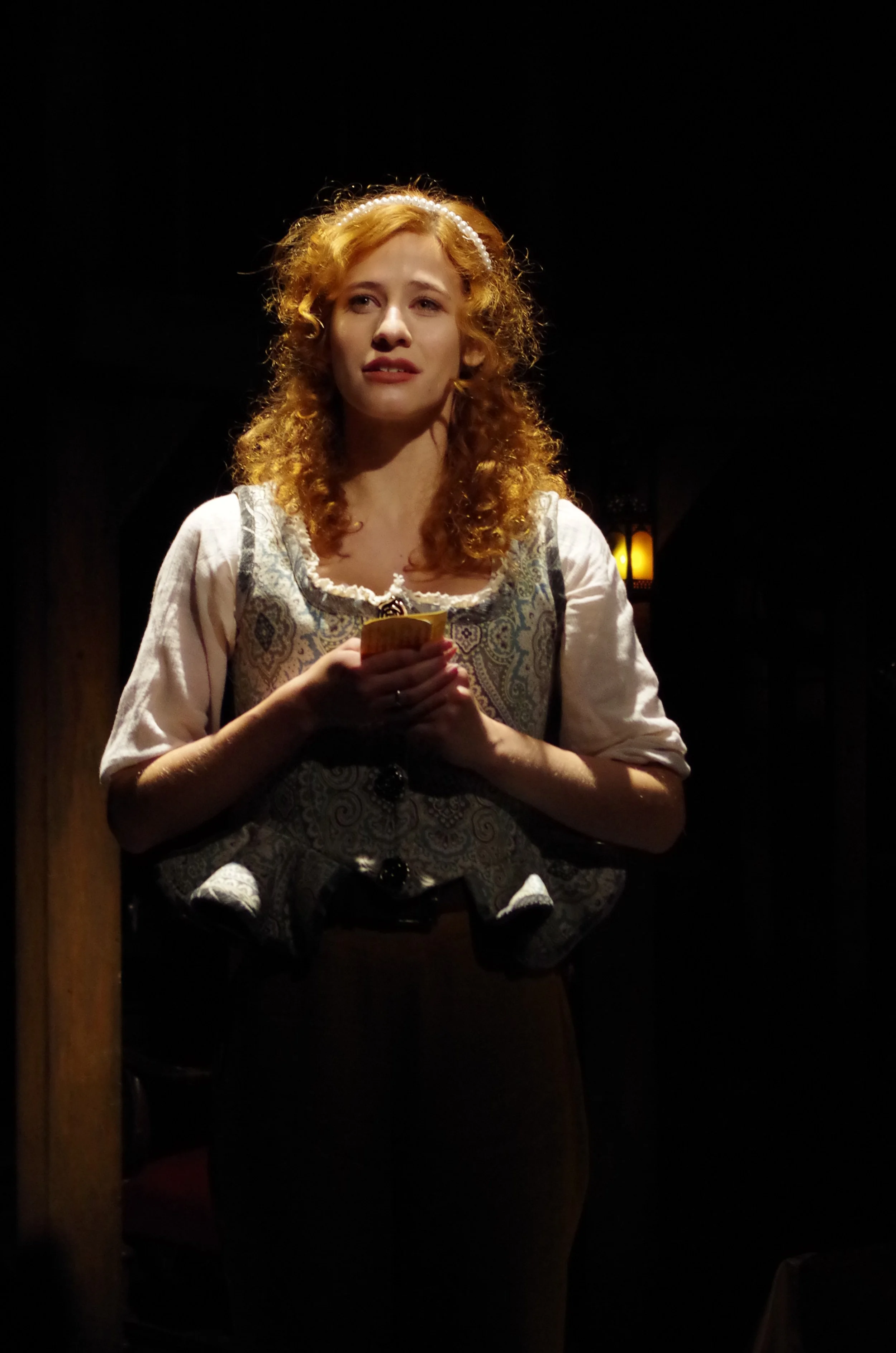
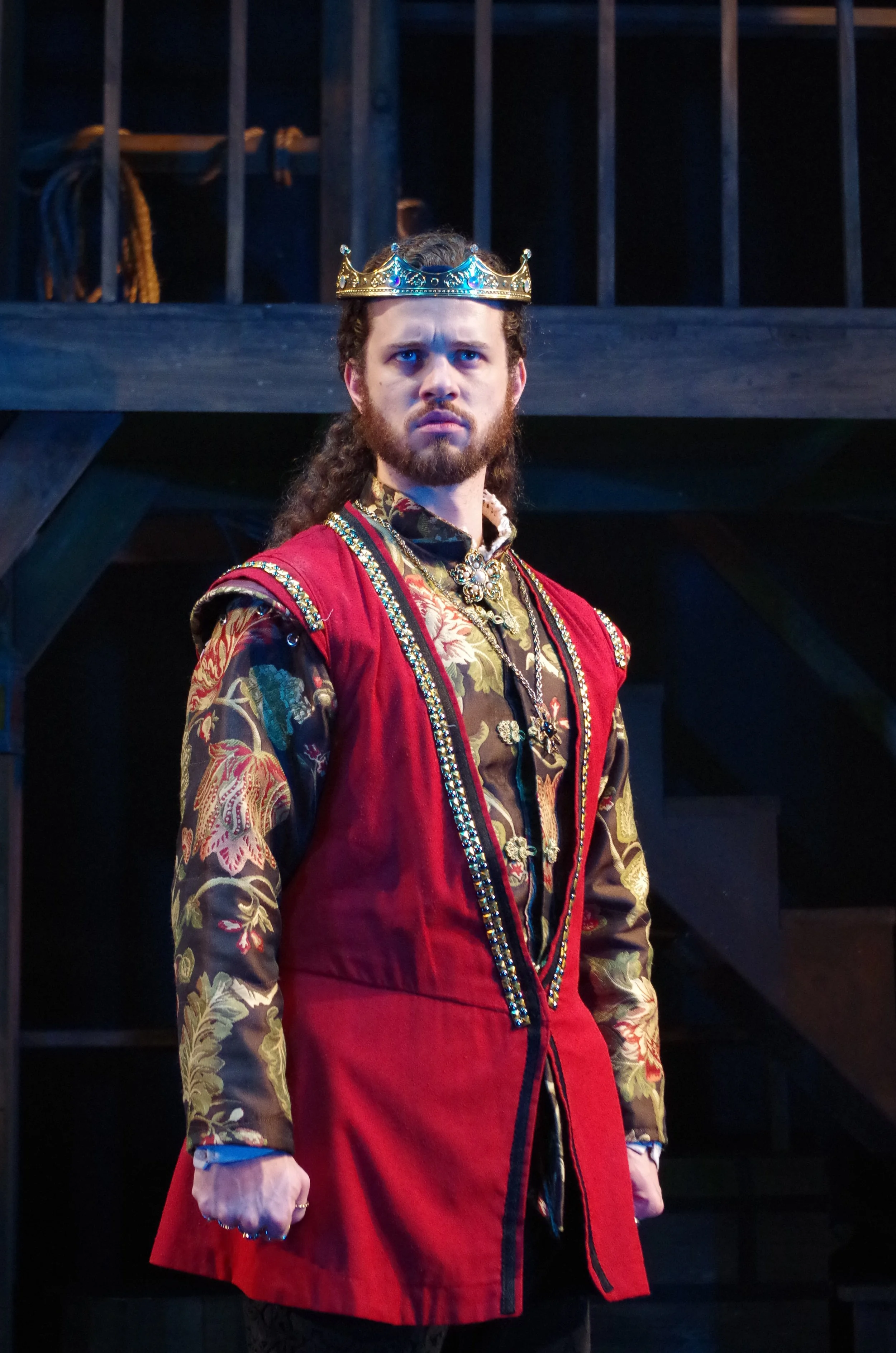
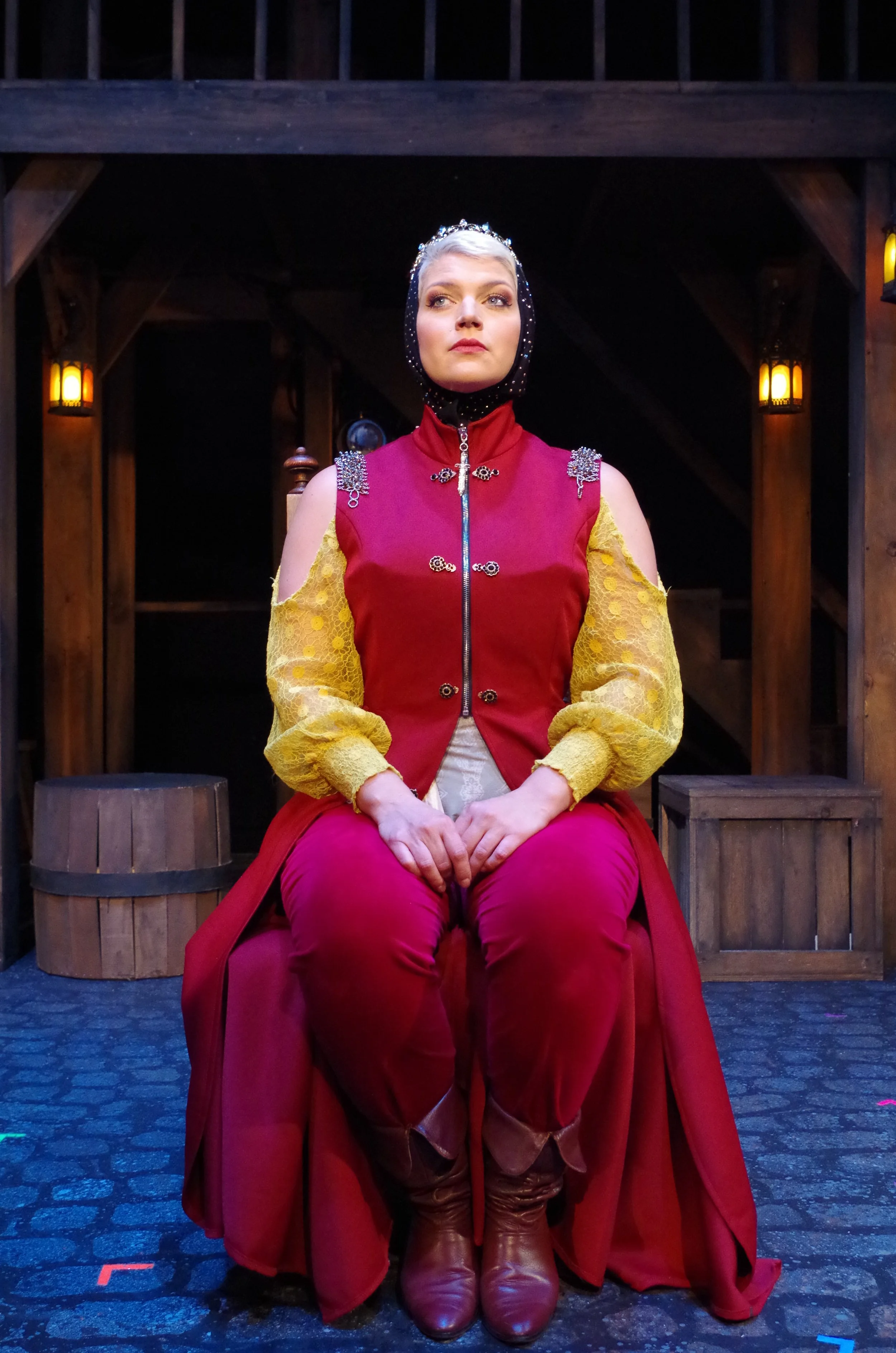
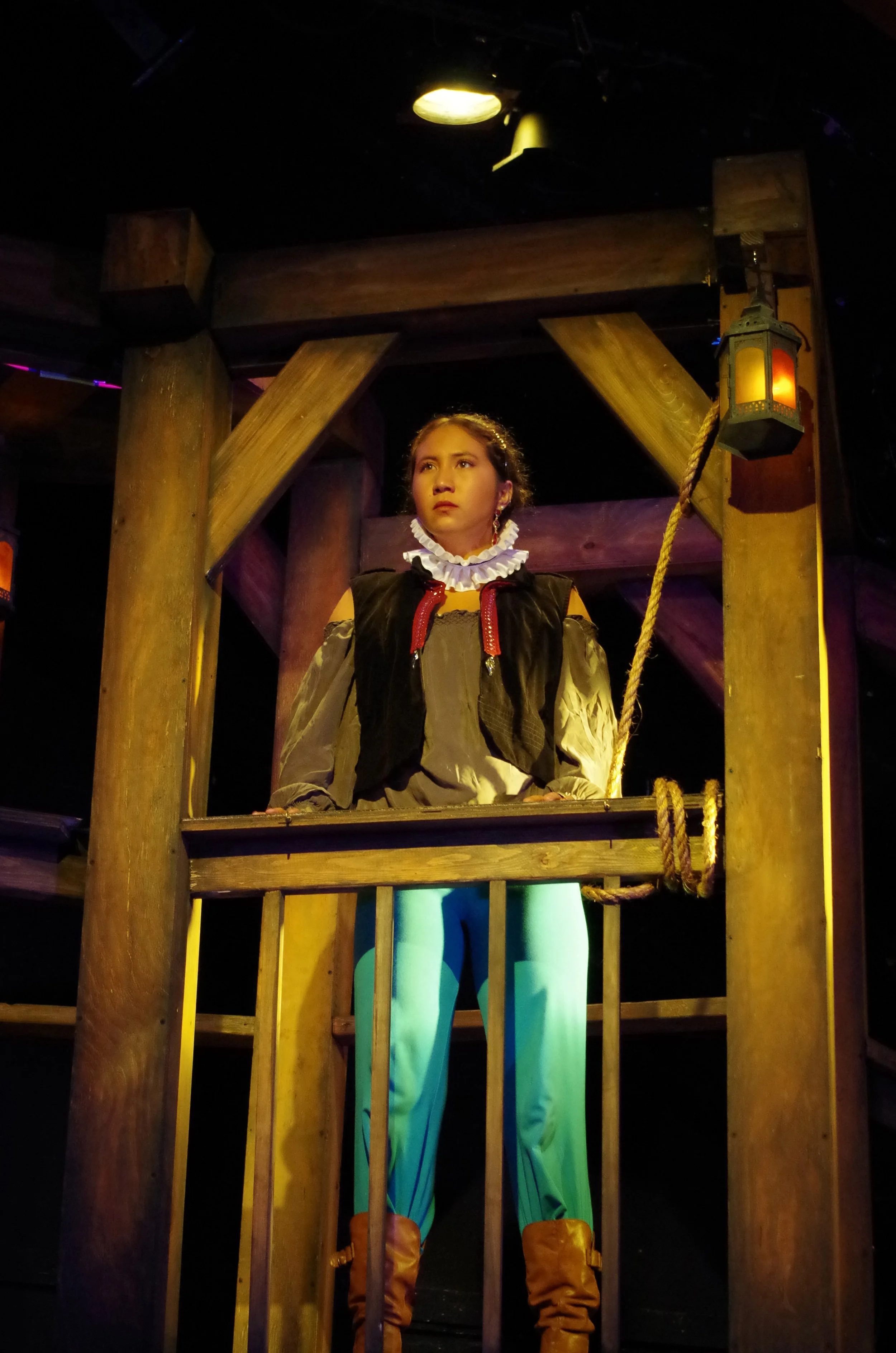
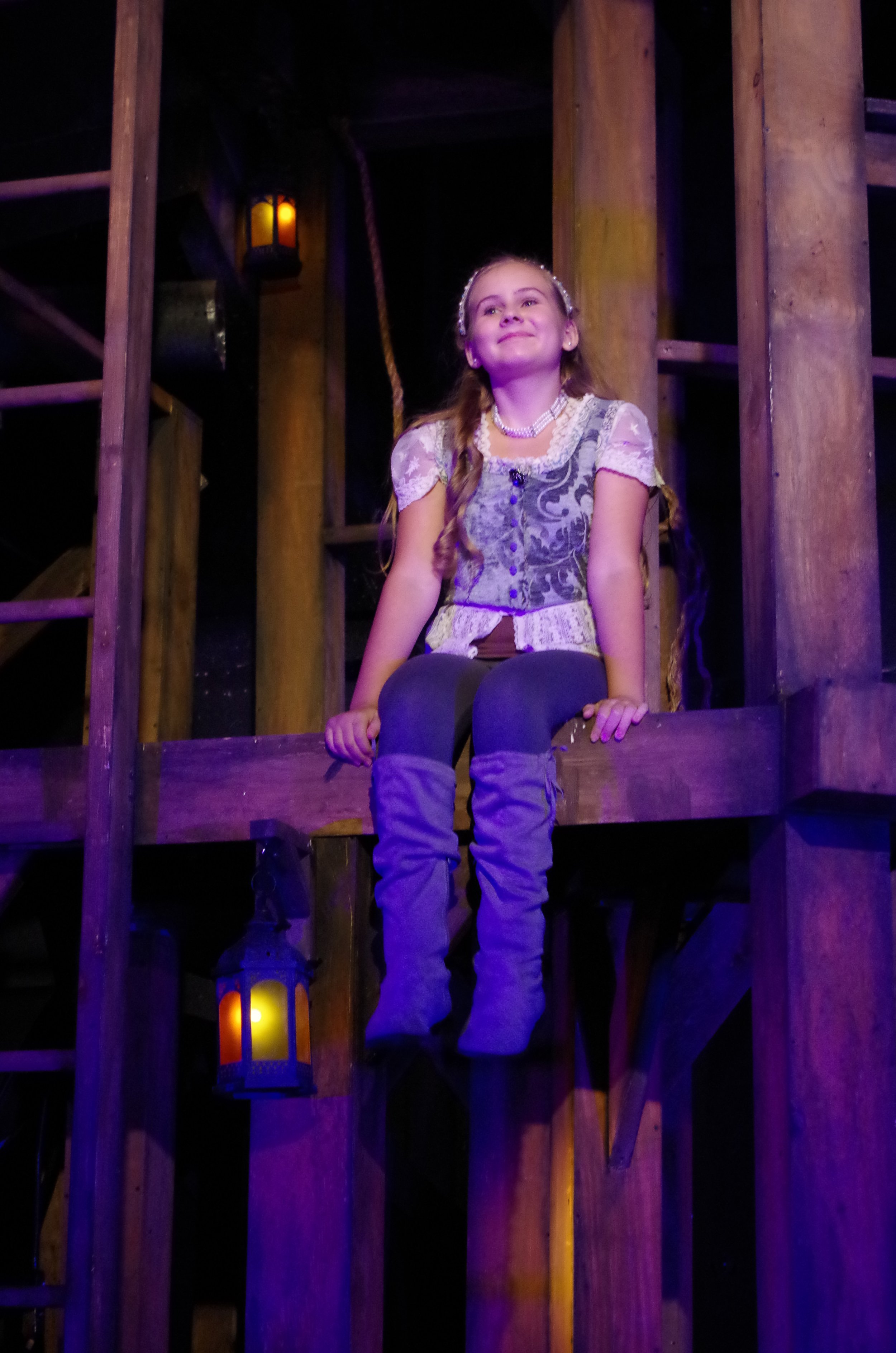
The Royal Council
Cardinal Wolsey - The head of religious matters in England, as well as the King’s Council, and Henry’s main advisor. He loves Henry and will serve him above all else at whatever cost, despite the consequences.
Thomas More - Henry’s religious mentor, great personal friend, and advisor. He adheres strictly to the doctrines of the Catholic church and sacrifices everything to defend it. He does as Henry asks, but has his limits.
The Low-Born
William Compton - A low-born friend of Henry’s, who fought with him in France and was given a title. Light-hearted, warm, a little cautious. The caretaker of the friends.
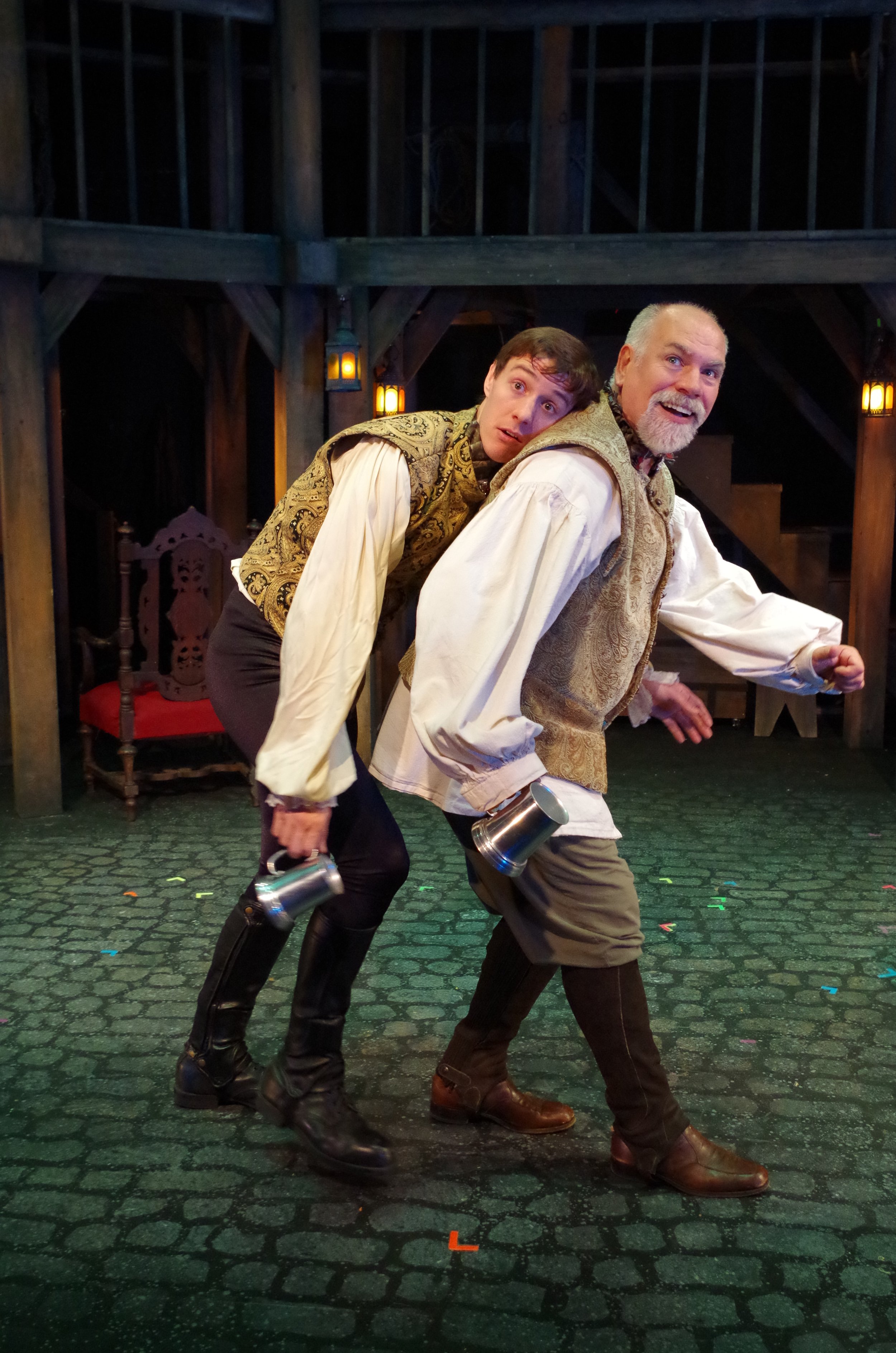
Thomas Knyvett - A low-born friend of Henry’s, who fought with him in France and was given a title. Rough, feisty, masculine. Always ready with a bawdy joke and a drink.
Betty Hancock (not pictured) - The barmaid of the local tavern. Crass, but caring. Believes life should always be a party.
The Later Wives
Jane Seymour - 3rd wife, Mother of King Edward VI
Anne of Cleves - 4th wife, Lifelong friend and “King’s Beloved Sister” for Henry VIII
Catherine Howard - 5th wife, Cousin of Anne Boleyn
Catherine Parr - 6th wife, Guardian of Queen Elizabeth I
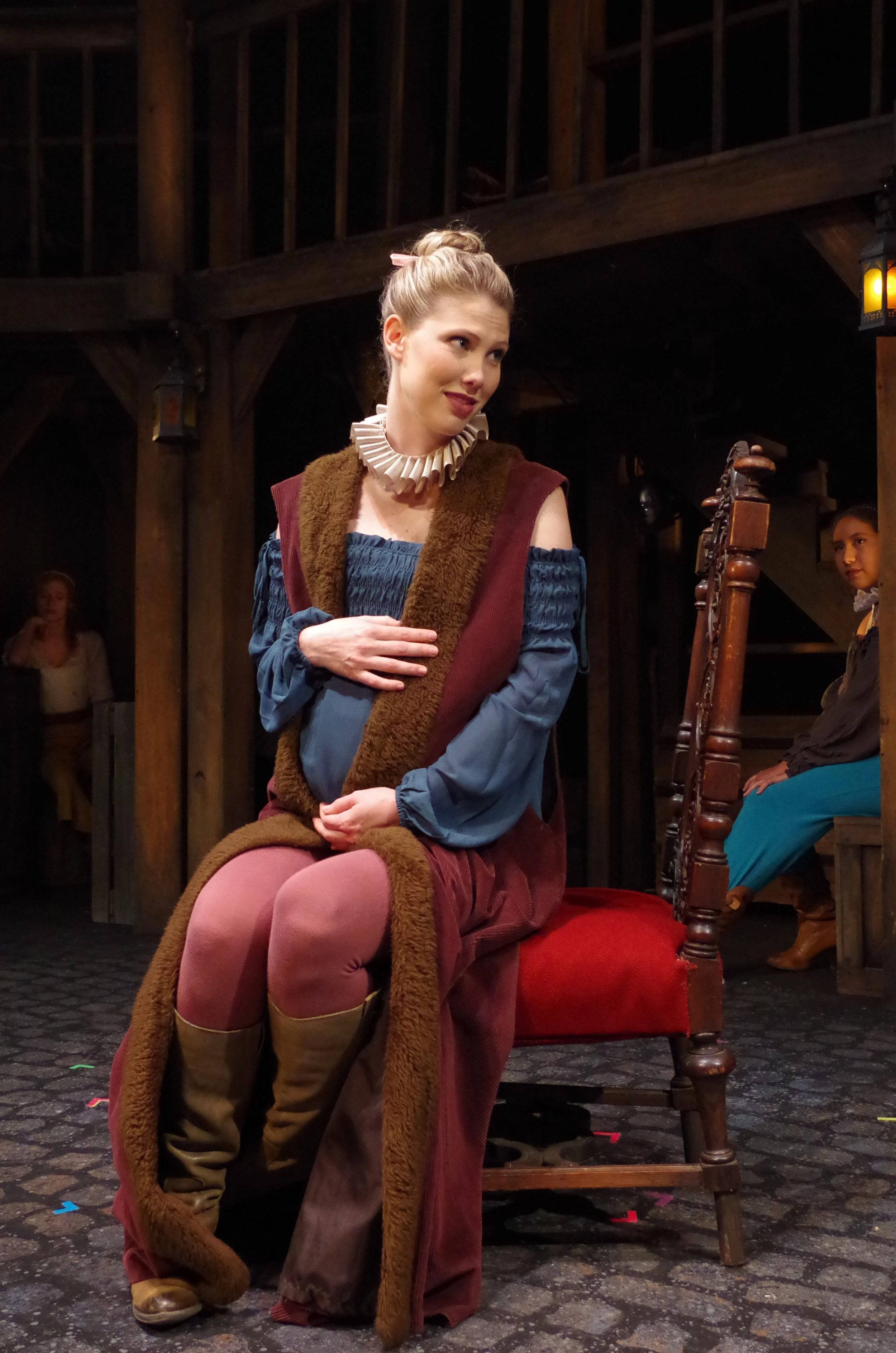
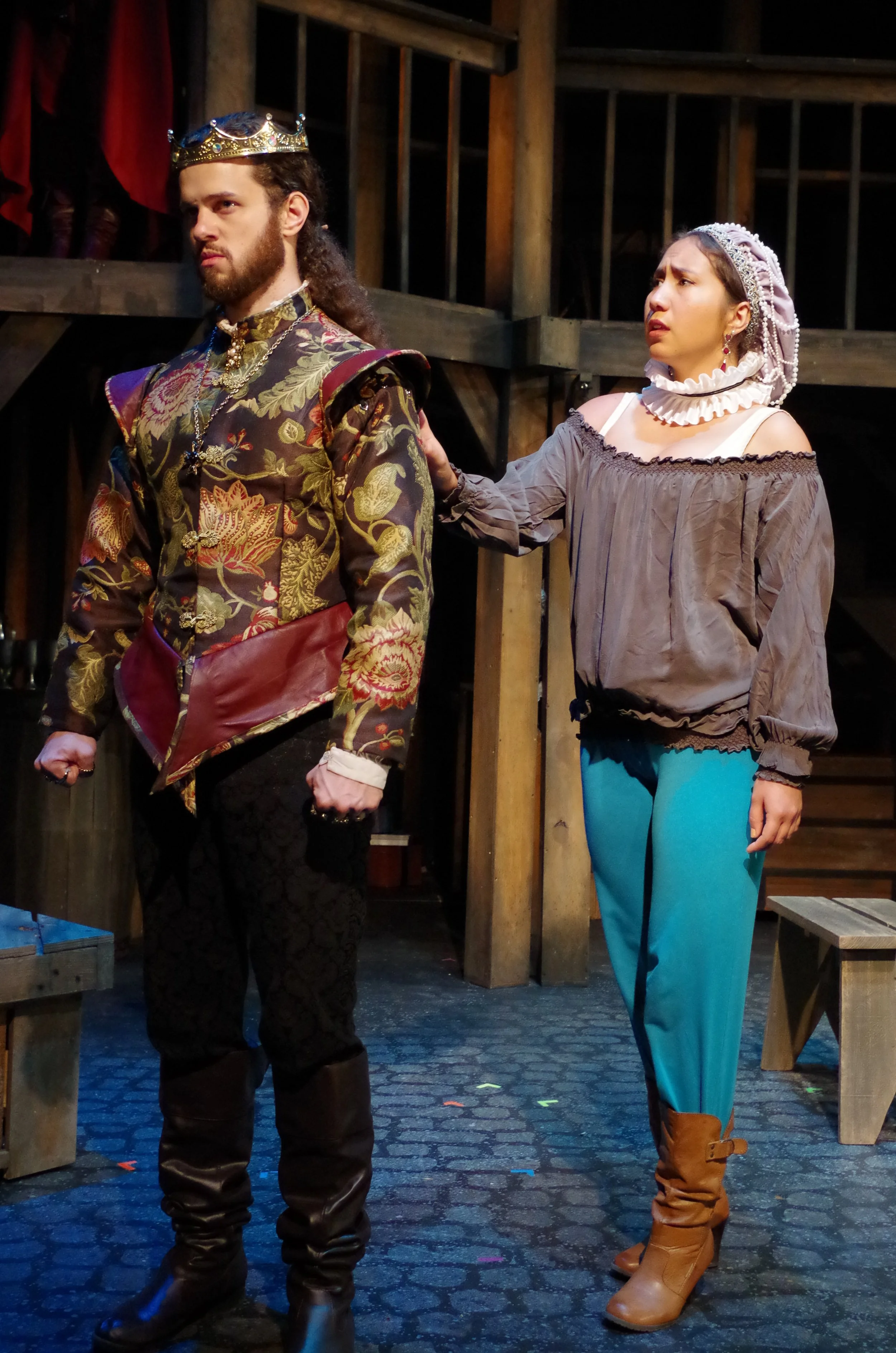
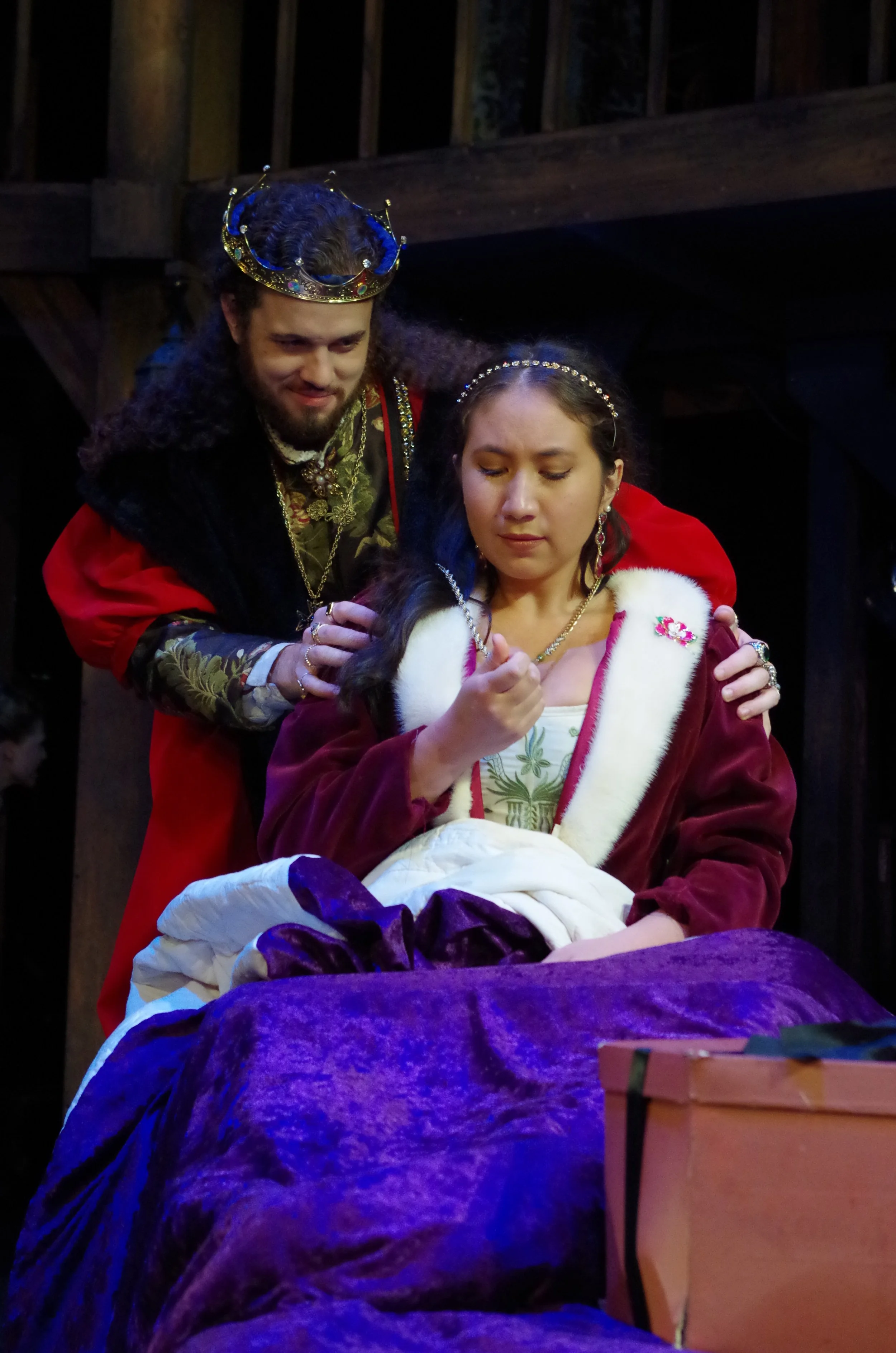
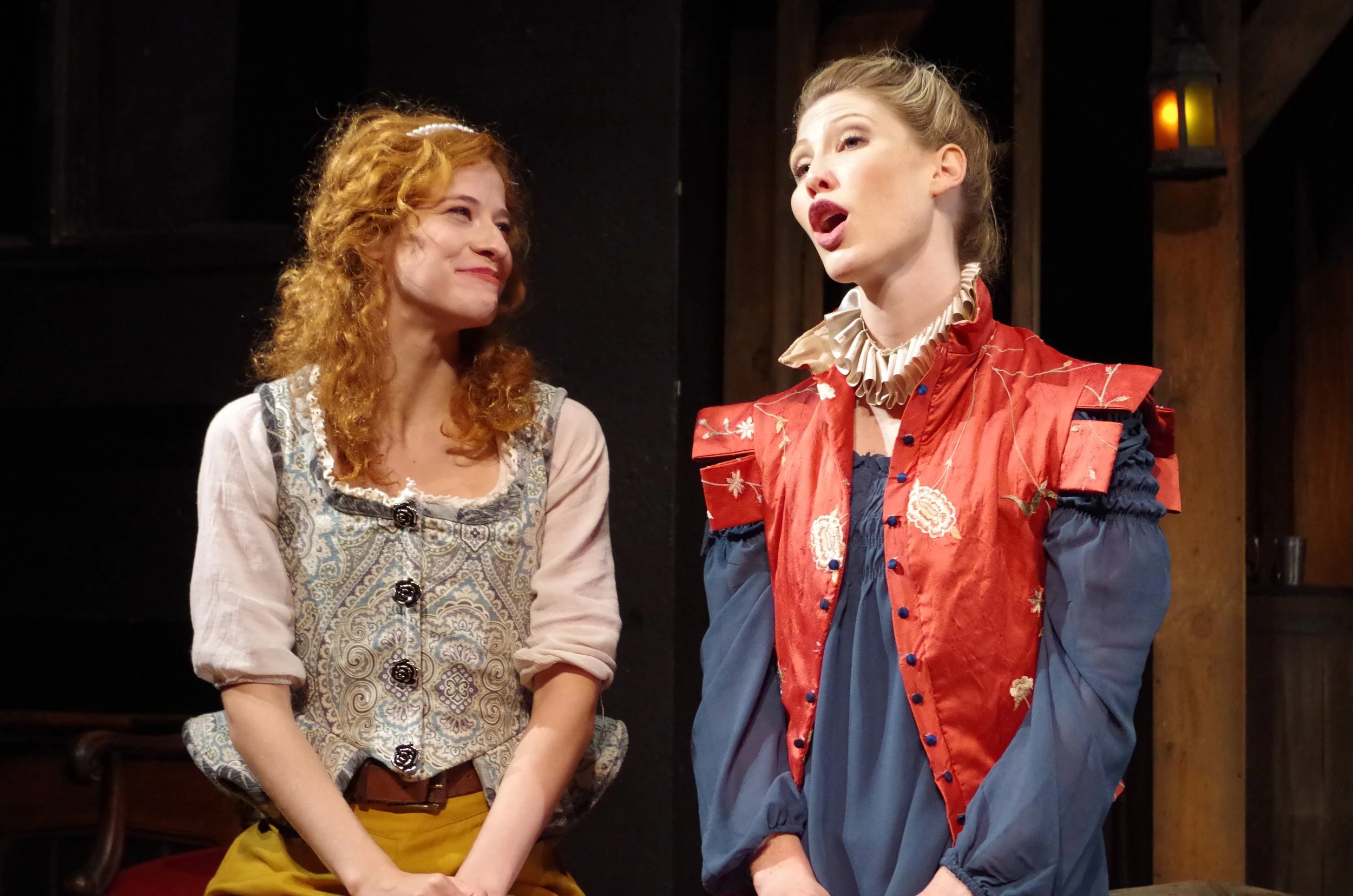
The Players of "The King's Legacy"
As written, the musical is meant to be performed by 9 players (5 women, 3 men, 1 young girl) playing all 20 roles. Below is the structured breakdown of the performers by character:
PLAYER 1 - Henry: (male) late 30's-late 40’s; Strong presence and intimidating, but with a boyish, gentle side (Bari-Tenor: F#2 – A4)
PLAYER 2 - Cardinal Wolsey, Thomas Knyvett: (male) mid 30's-late 40’s; Stately, commanding, but also boisterous and goofy (Baritone: F#2 – F#4)
PLAYER 3 - Thomas More, William Compton, Culpeper: (male) late 20's-late 30's; Serious, but with dry humor and bravado (Bari-Tenor: F#2 – G#4)
PLAYER 4 - Anne Boleyn: (female) mid 20's; Intelligent, witty, ambitious, loving (Mezzo-Soprano: G3 – F5)
PLAYER 5 - Elizabeth, Mary Boleyn, Lady 1: (female) early-mid 20's; Bright, forward- thinking, but also youthful (Mezzo-Soprano/Soprano: G3 – G5)
PLAYER 6 - Mary, Anne Of Cleves, Catherine Howard, Lady 2: (female) early-mid 20's; Fierce, kind, flirtatious (Mezzo-Soprano/Soprano: F#3 – A#5)
PLAYER 7 - Jane Seymour, Catherine Parr, Lady 3: (female) mid-late 30's; Strong, gentle, unwavering (Alto/Mezzo-Soprano: F3 – E5)
PLAYER 8 - Catherine Of Aragon, Betty Hancock: (female) late 30's-late 40’s; Proud and determined, but joyful (Mezzo-Soprano/Soprano: G3 – F5)
PLAYER 9 - Young Elizabeth: (female) Able to read a malleable range of 6-12; Smart, fiery, curious (Mezzo-Soprano: Bb3 – Eb5)
Why The King’s Legacy?
Women’s stories need to be told.
The majority of the traditions and stories of the Musical Theatre Canon are that of the heroic cis-straight-white man. Not only are these characters the center of most of our musical stories, but even when women are the protagonists, the lens through which they are written still tends to be that of the men.
And that must change.
Although I am a cis, white male myself, I am interested in telling stories outside of my own experiences, as well as subverting the so-called “standard” heroic narratives. The King's Legacy celebrates women in history, taking the focus and power away from the man typically at the story's center: King Henry VIII.
His story has been told. Now it’s time to focus on HerStory. And her story is our story.
Jennifer Arfsten and Mike Kinzer in The King’s Legacy at Bristol Valley Theater (Photo by Rich Miller)
To Overcome
Throughout our lives we are all - and women in particular - constantly told “no,” “you can’t,” “you shouldn’t,” or “that’s not how it’s done,” and are supposed to take that at face value. You cannot do, acquire, or achieve something that you desire with all your heart, and that’s that. But what happens when women throw off these shackles, stare down their circumstances, and tackle the impossible? They overcome.
And that’s the heart of The King’s Legacy. Overcoming.
And specifically, overcoming seemingly insurmountable barriers - those placed on us by the world, our situations, or by those in power. Obstacles that other people deem impossible.
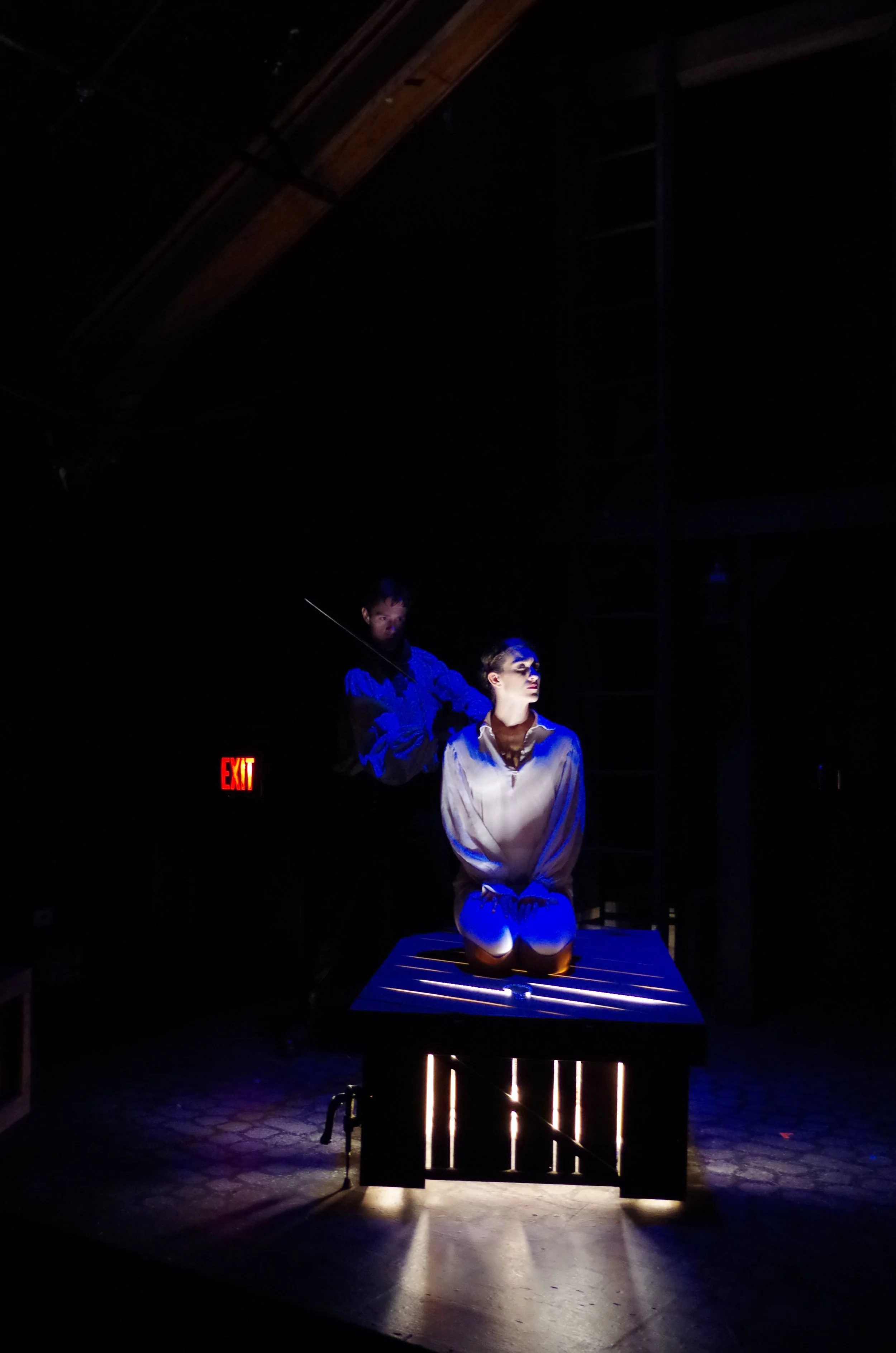
Anne Boleyn was told she could not keep a king’s interest - then she held him for a decade. When they said she’d never be a queen, she found a way to take the crown anyway. And when they said her daughter - a woman - could never become the heir or a great monarch, Elizabeth I ascended the throne and led England through its first Golden Age.
Anne Boleyn may have died in the process of defying the insurmountable, but wouldn’t we all sacrifice everything to make our deepest desires and greatest dreams come true?
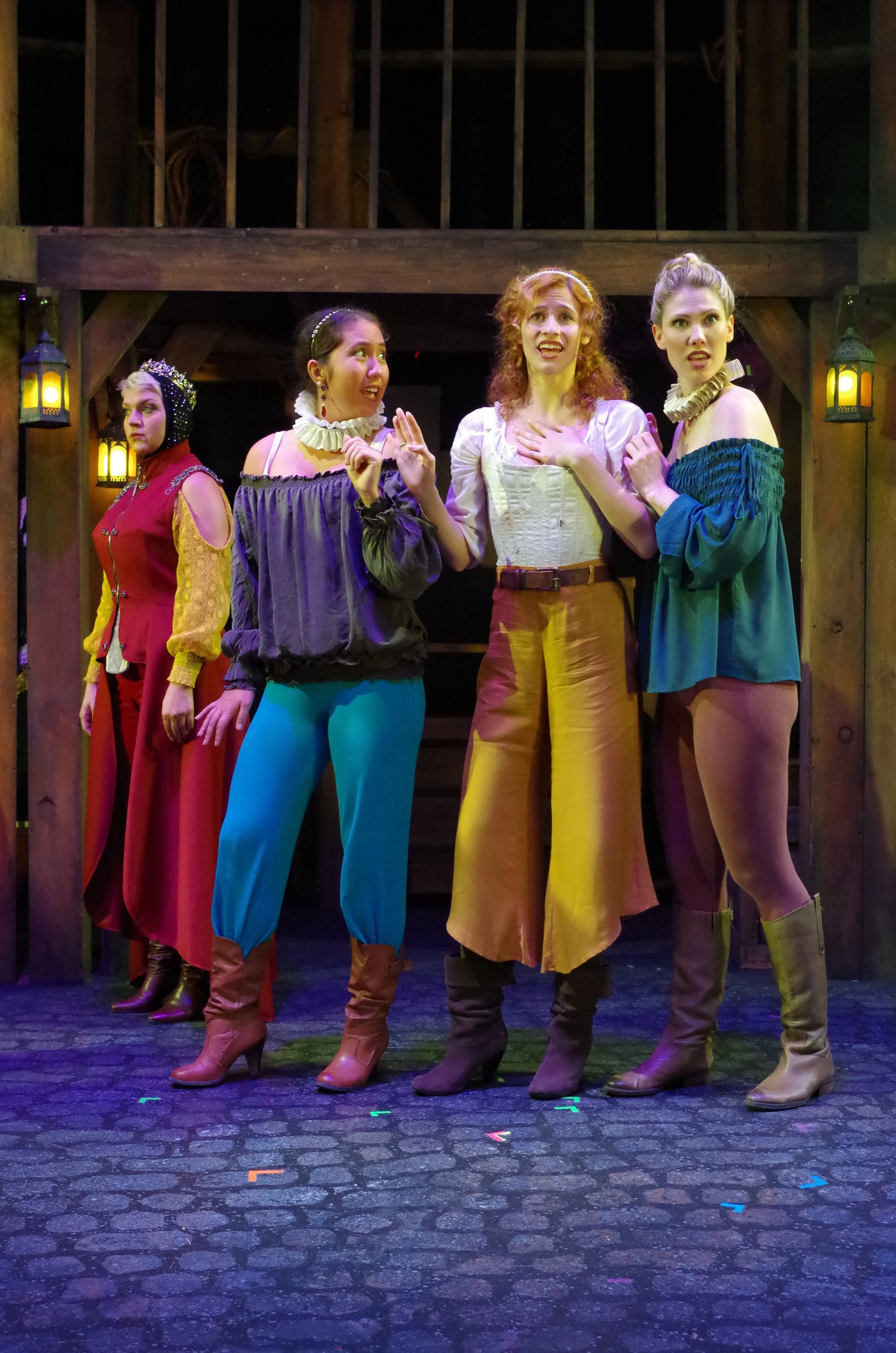
Hannah Karpenko, Leigh Martha Klinger, Tess Marshall, and Alex Loucks in The King’s Legacy at Bristol Valley Theater (Photo by Rich Miller)
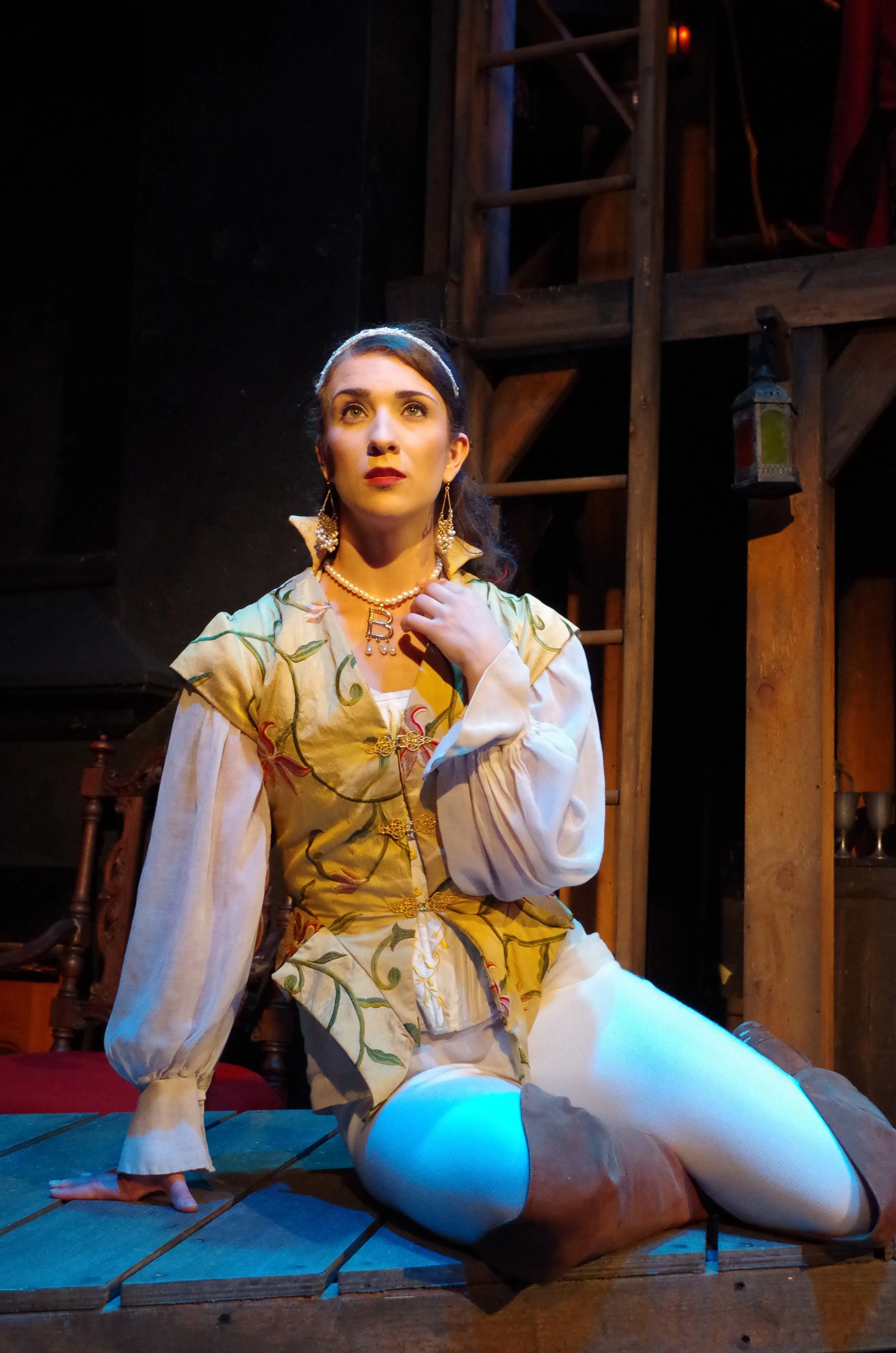
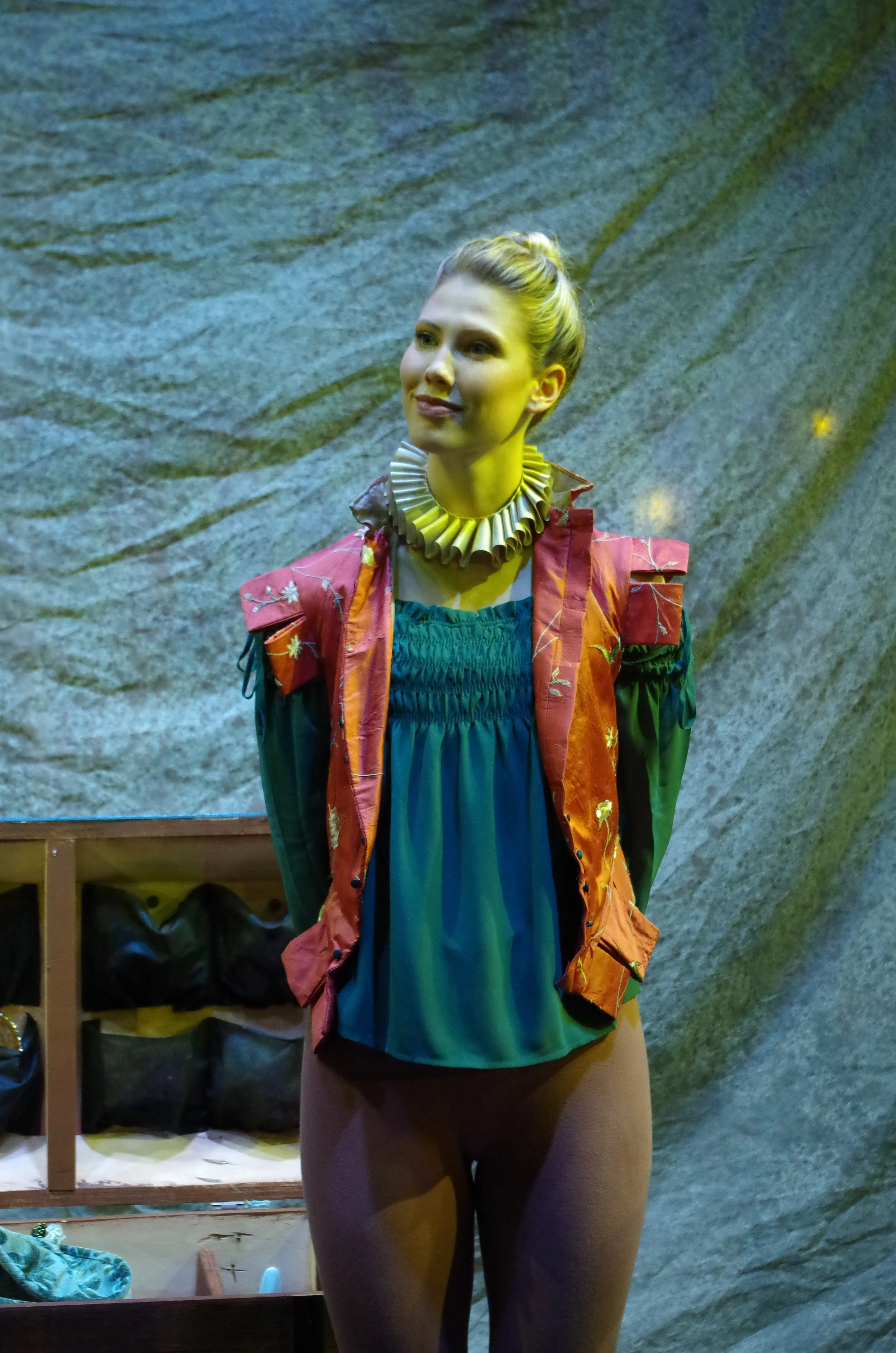
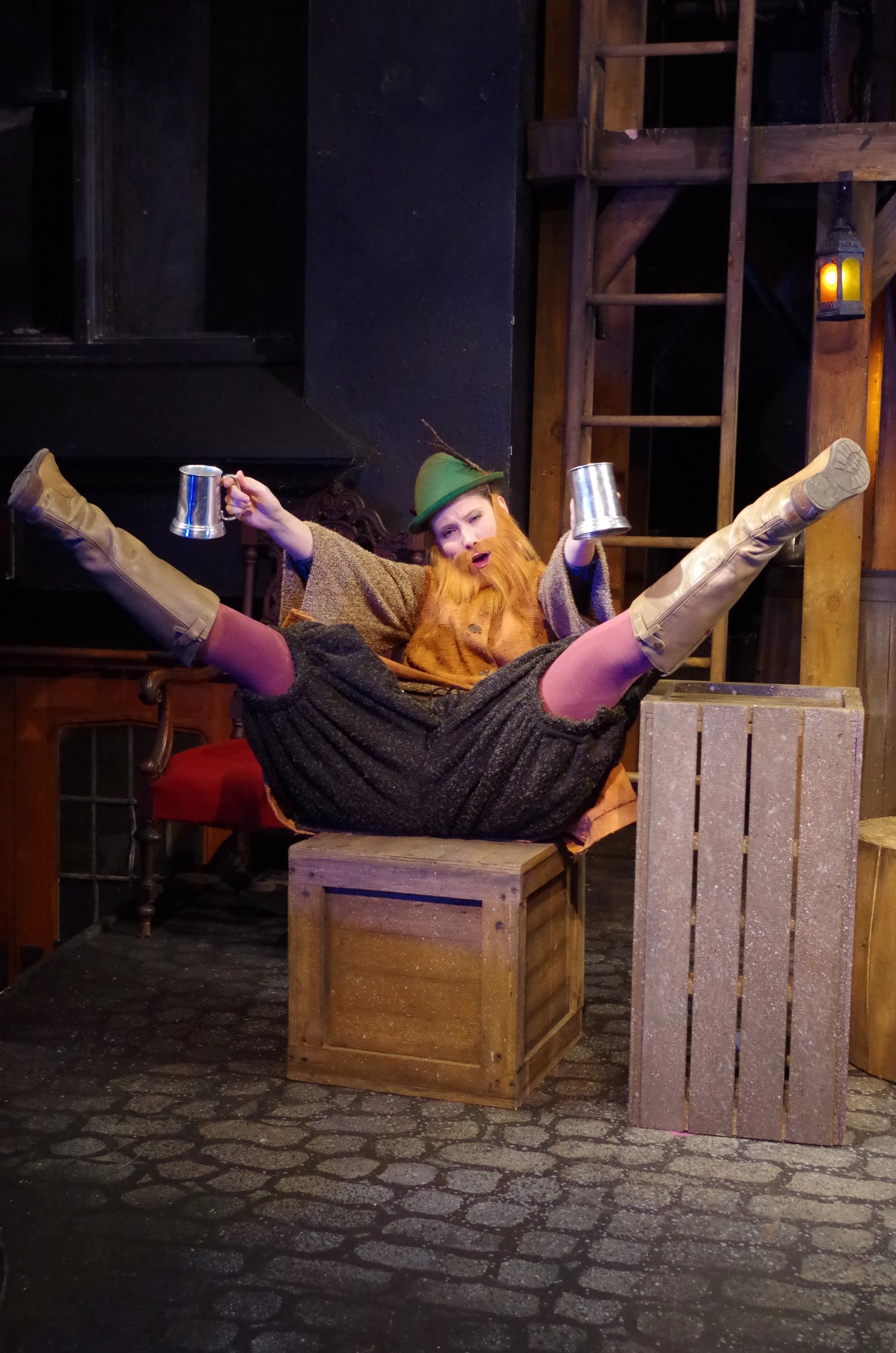
Hannah Karpenko in The King’s Legacy at Bristol Valley Theater (Photo by Rich Miller)
Where We Can Be
Slowly, but certainly, we are moving toward a more woman-centric - or at least more balanced - world. The journey has been arduous and often plodding, but we will get there inch by inch if we must.
And this journey began long ago with women who were bold enough to defy the status quo.
Anne Boleyn and Elizabeth I were cast aside and purposefully disenfranchised because of a natural aspect of who they were: women. In today’s social and political climate of fear, bigotry, and purposeful disenfranchisement, this story resonates fiercely.
With the 2016 election, I couldn’t help but think of the parallels between Hillary Clinton and Anne Boleyn. I hoped against hope that someone would come after Hillary to succeed where she did not, just as Anne paved the way for Elizabeth. And over the past several years this message has become so much deeper, more meaningful, and more widespread. The need for universal feminism to rise and allow women to be treated with respect, dignity, and real equality continues to be paramount. And women everywhere are rising up to fight for equality and representation in the leadership, which makes the message of this show feel particularly important and timely.
Attempted disenfranchisement by men in power has only continued to grow as groups are being made more and more marginalized. All of these people are being told “no” and “you can’t” and “we won’t let you,” but now is the time when people are realizing they need to rise up and fight back if they are going to overcome.
It has happened before and it can happen again.
It may sound a little silly, but this musical story can help remind people that struggles can be overcome - no matter how overwhelming they may seem - and that your individual actions will echo long after you. The King’s Legacy speaks to these struggles, and celebrates those who tried and failed (Anne Boleyn) as well as those who succeeded - and even exceeded expectations (Elizabeth I).
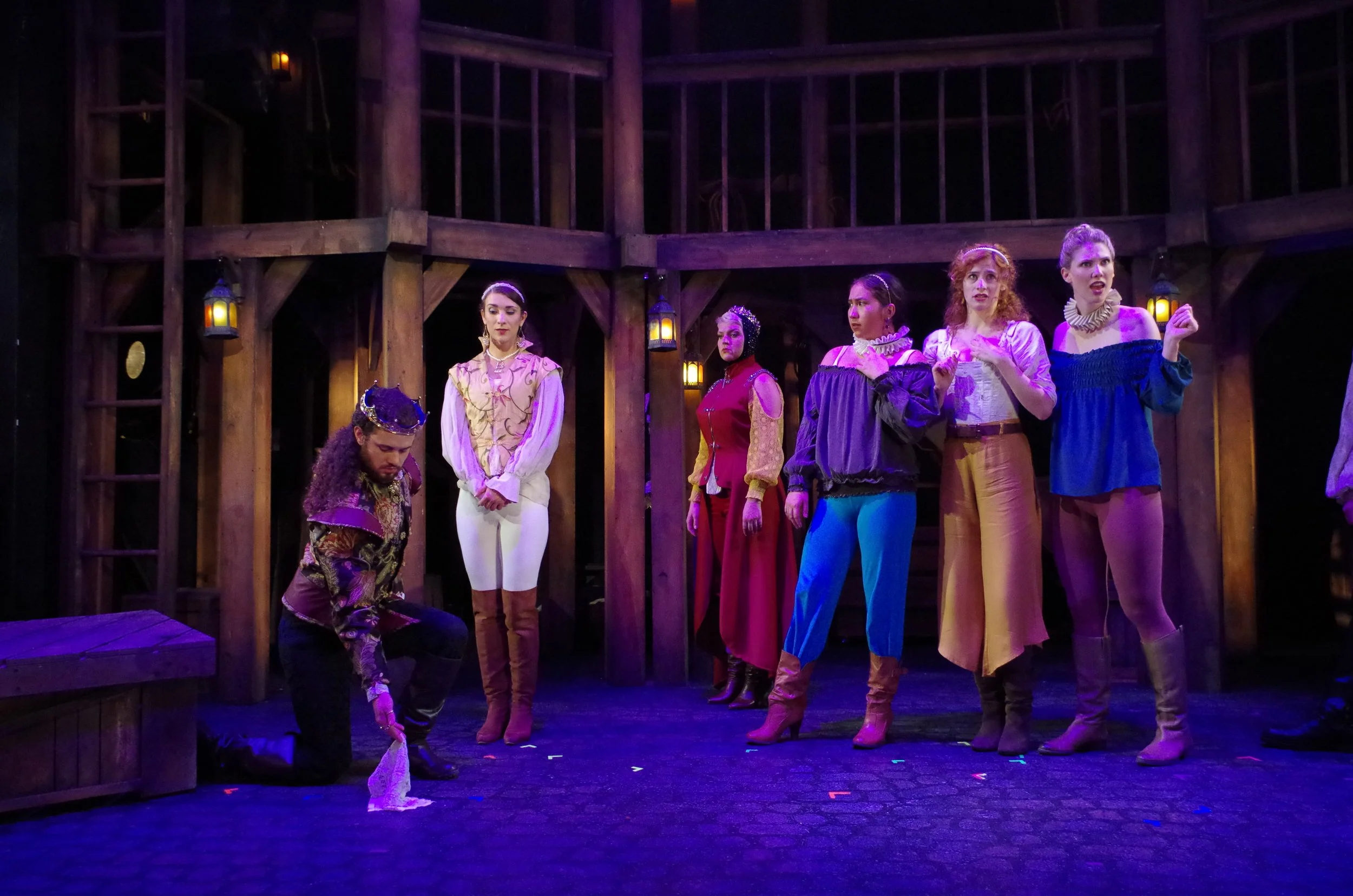
Jennifer Arfsten, Hannah Karpenko, Leigh Martha Kling, Tess Marshall, and Alex Loucks in The King’s Legacy at Bristol Valley Theater (Photo by Rich Miller)
Jennifer Arfsten and Mike Kinzer in The King’s Legacy at Bristol Valley Theater (Photo by Rich Miller)
Why This Story?
I first learned about this story in high school when my sister returned from studying abroad in England and gifted me a Horrible Histories book called The Terrible Tudors. And ever since I have been fascinated with Anne Boleyn, Henry VIII, and Elizabeth I.
I identified with the story of Anne Boleyn. As someone who often felt underestimated, I latched onto this idea that even a supposed “nobody” could rise to greatness. Anne is not a victim nor a villain looking for revenge, but an agent of change in an oppressive world.
It’s an intriguing tale filled with conflicting desires, dramatic historical moments, and an inspirational surprise ending.
A king decides he needs a son to inherit the throne, no matter the cost. A woman of low nobility decides she needs control over her own life. And somehow they meet and intertwine these two desires – Henry offering Anne queenship and Anne offering Henry an heir.
Shockingly, they were willing to destroy traditions, break all the rules, and completely sever ties with the Catholic Church in order to realize their dreams. Of course, as we know, Henry followed through by first making Anne queen, and then going to all lengths to have her killed after she failed three times to deliver a son. It seemed as though Anne only briefly obtained what she desired, “failing” to fulfill her end of the bargain by delivering a living daughter but never a son.
Yet the greatest irony, in my opinion, is that after the following four wives, a son who reigned shortly before dying from illness, and an elder daughter who also reigned shortly and died of illness, it was Henry and Anne’s daughter that fulfilled both of their desires.
Elizabeth I became a perfect heir, kept peace and strength in England, retained complete control over her own life (without a husband), and brought the country into its first Golden Age.
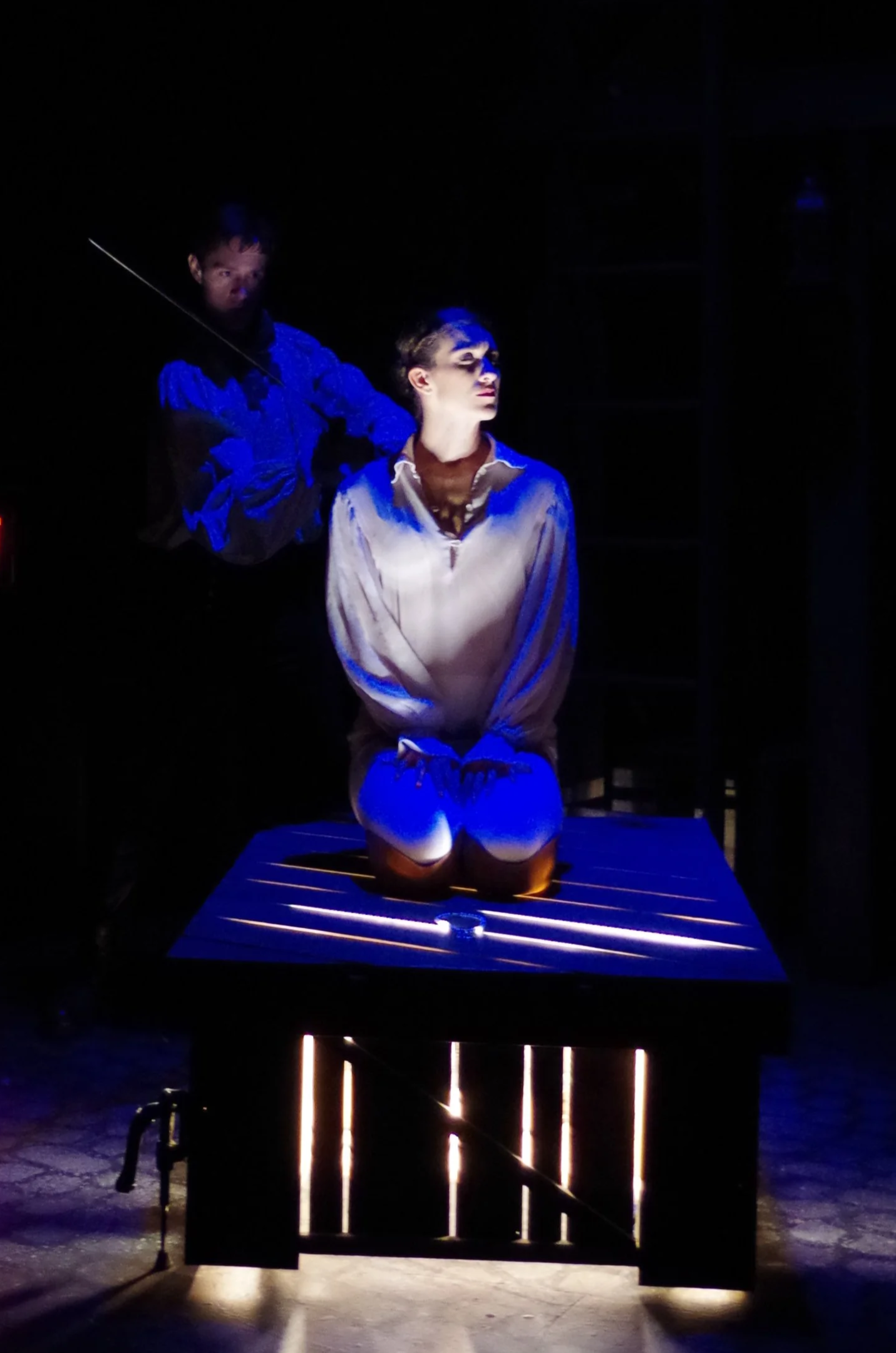
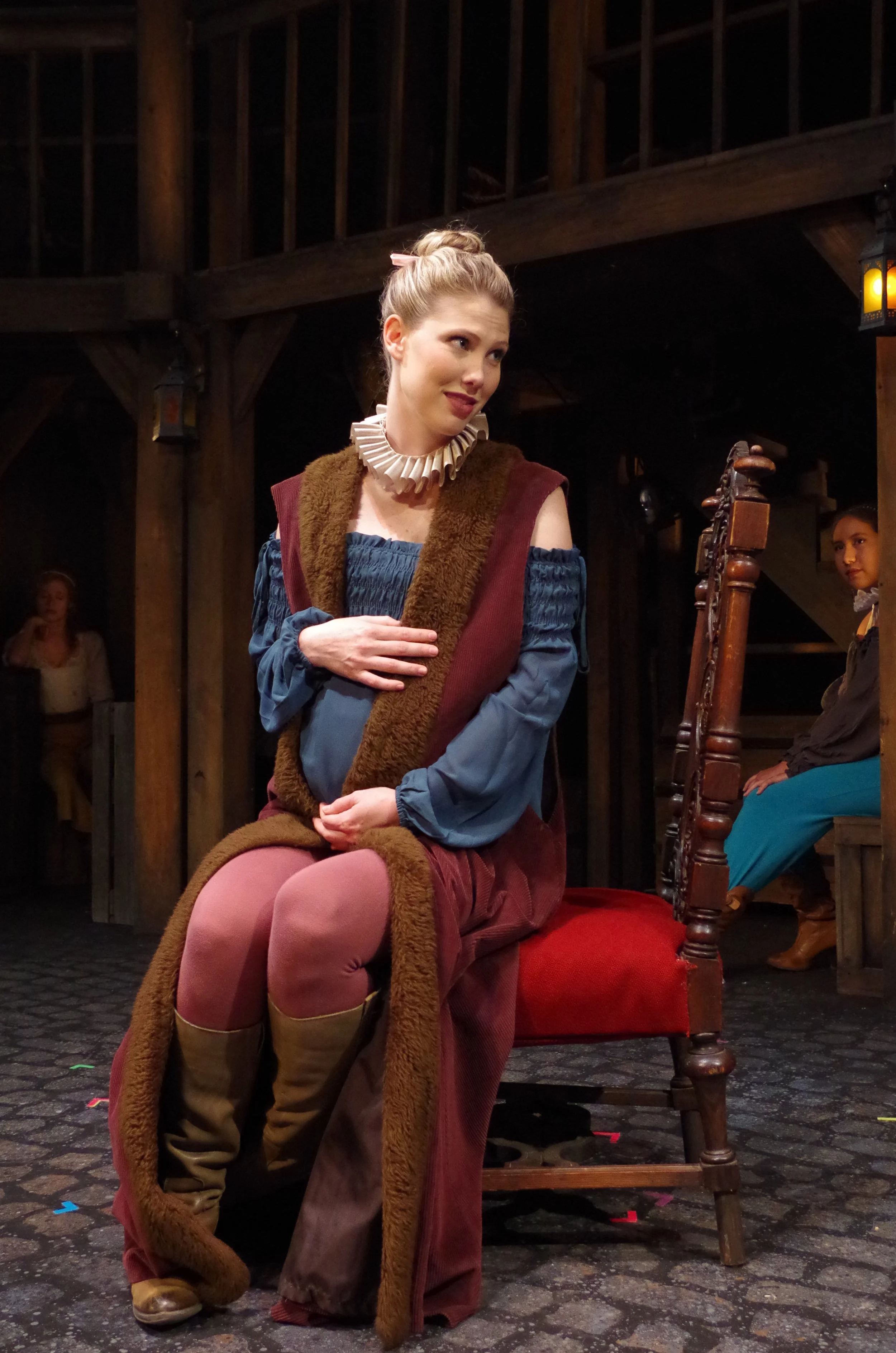
Jennifer Arfsten in The King’s Legacy at Bristol Valley Theater (Photo by Rich Miller)
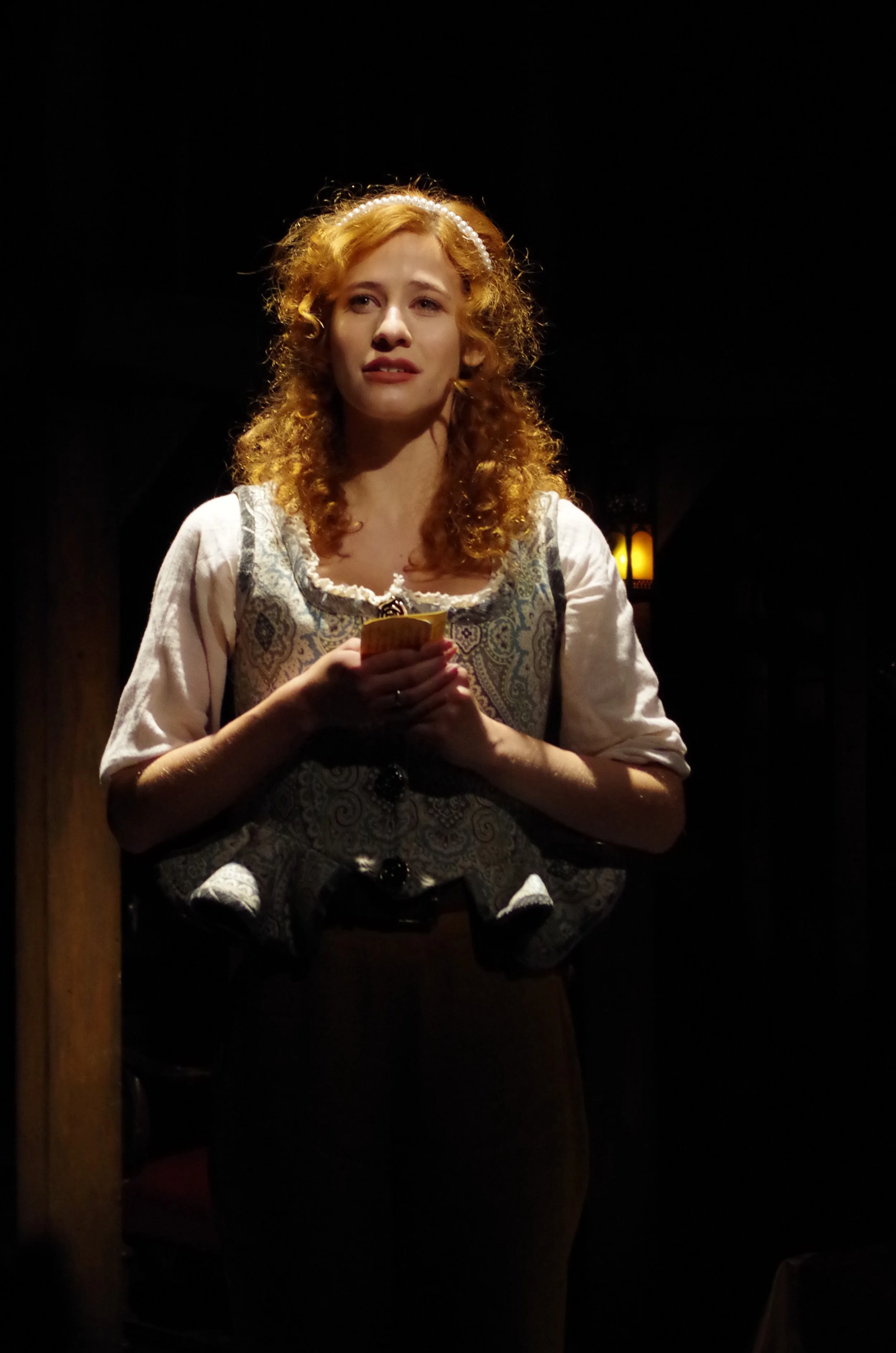
Hannah Karpenko in The King’s Legacy at Bristol Valley Theater (Photo by Rich Miller)
What Makes This Musical Unique?
The King’s Legacy follows in the footsteps of the great musical theatre structures of the past, while retaining a sense of contemporary sound and message.
Many of the musicals with a message – or “dramatic musicals” as they have been dubbed – that have come to Broadway recently have leaned into something in the composition that errs on the side of “contemporary”: Hamilton with rap, Dear Evan Hansen and Be More Chill with pop infusions, Come From Away with folk music, etc. And as more and more popular music has begun to enter the musical theatre canon - and often from pop music writers themselves - there has been a trend toward a loss of depth and musical dramaturgy amongst new musicals. Techniques such as distinct usage of motif, wordplay, and character interconnection, in both the libretto and the score, have fallen out of use.
I firmly believe that we can continue to write today in exciting new styles and with new sounds, without losing the type of infused dramaturgical writing that has always made the American Musical Theatre an effective, cohesive, and provocative event.
The King’s Legacy mixes the forms of the past with the messages of today and walks a line between them.
Every piece of music in the show has specific dramaturgical reasons for both its lyric and compositional components. And although the musical style may seem to harken back to the golden age at first glance, the ranges and melodic lines are written specifically to utilize legit and contemporary vocal styles, based upon the song's placement in each character's personal story arc. I have taken great care to use tried-and-true musical theatre structure for all character-driven moments, pastiche for fun and light-heartedness, and broke all of the rules at times to write what was necessary and called-for by the piece. The sound could be described as A Little Night Music meets The Great Comet, but with a splash of Beauty and the Beast thrown in.
The structure of The King’s Legacy is also quite unique.
The show is performed by 9 Elizabethan Players playing 20 characters - written for a unit set - in honor of Queen Elizabeth I’s 40th year as reigning monarch. We follow two storylines throughout the show: Anne Boleyn’s story from when she arrives at court through her beheading, and Elizabeth I’s story as she grows up under the guidance of the women in her life, through her coronation.
This is the type of challenge I am interested in exploring with an audience. And after the musical's initial production this summer, I have learned that audiences are not only ready for this type of challenge, but they are longing for it as well. The structure was successful in its first produced iteration, and I am excited to continue honing and clarifying as The King’s Legacy moves forward in its theatrical life.
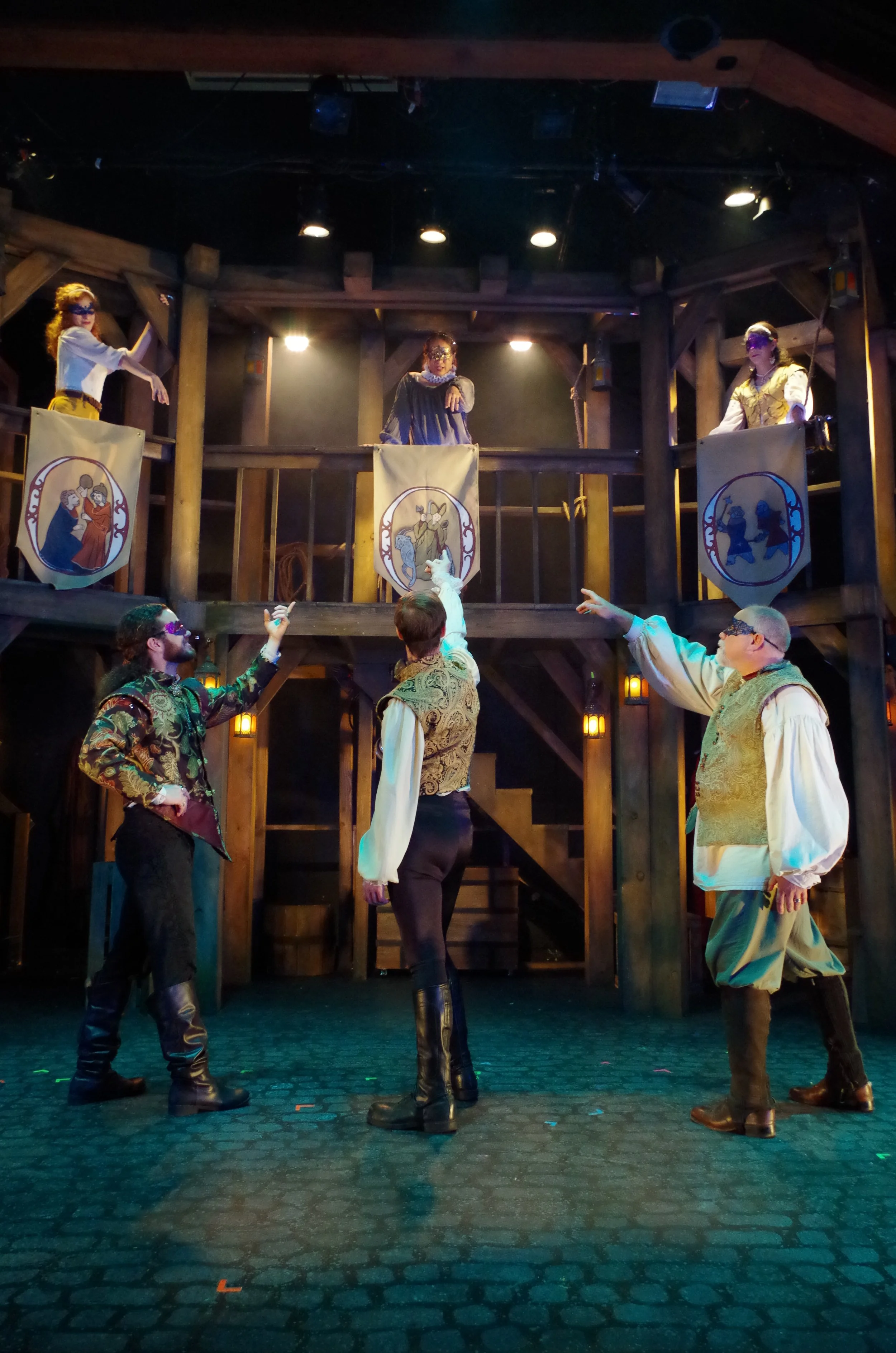
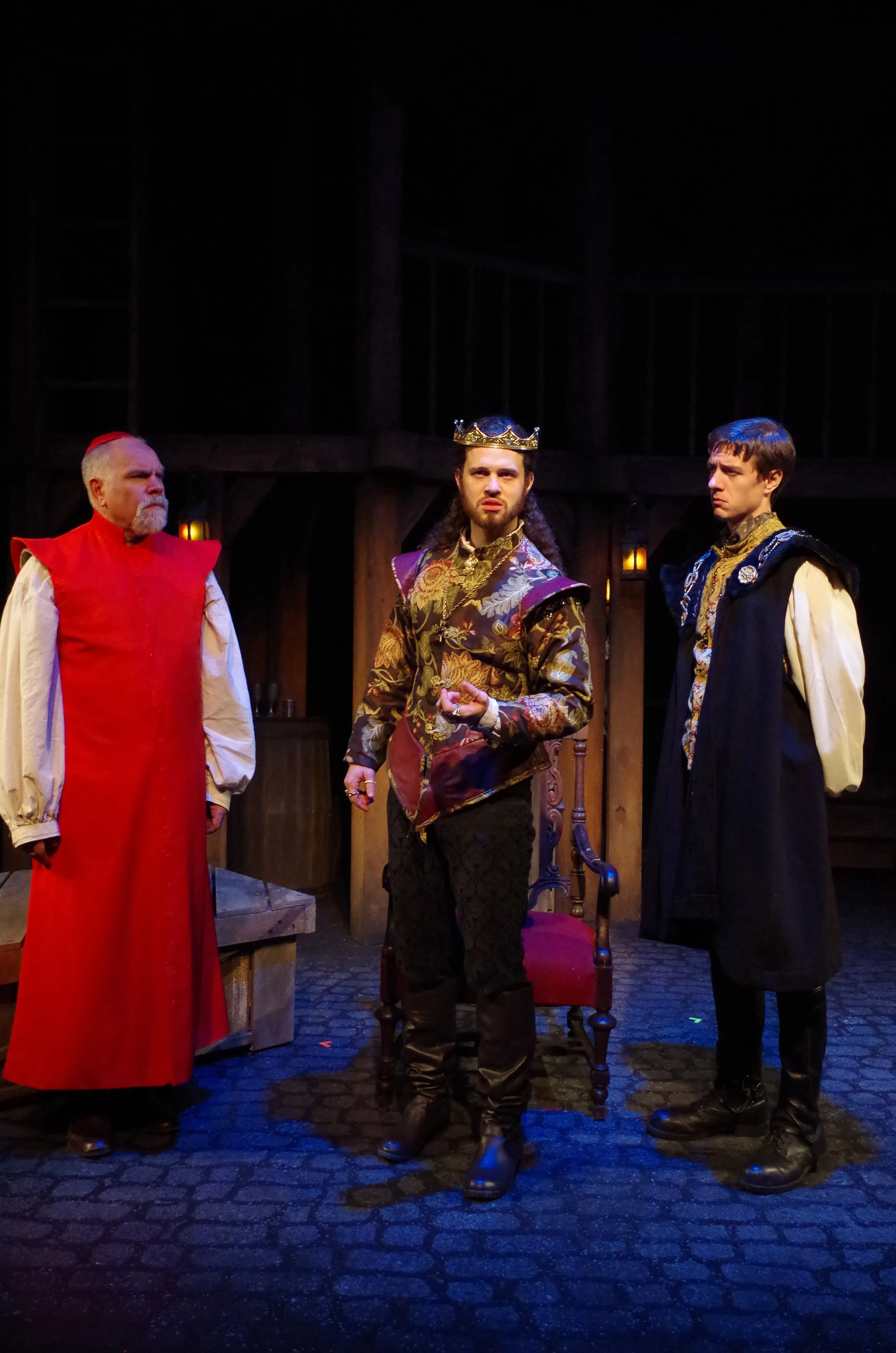
Jennifer Arfsten, Mike Kinzer, Hannah Karpenko, Mark Poppleton, Alex Loucks, and Michael Radi in The King’s Legacy at Bristol Valley Theater (Photo by Rich Miller)
Hannah Karpenko, Bunny Baldwin, Mark Poppleton, Michael Radi, Leigh Martha Klinger, and Alex Loucks in The King’s Legacy at Bristol Valley Theater (Photo by Rich Miller)
Jennifer Arfsten, Mike Kinzer, Leigh Martha Klinger, Alex Loucks, Hannah Karpenko, and Tess Marshall in The King’s Legacy at Bristol Valley Theater (Photo by Rich Miller)
Join Our Journey!
The King’s Legacy is an epic journey and it requires a tenacious, feminist, and visionary team to bring the story to life and out into the world.
If you would like to be a part of our journey, please reach out either through the contact form on the Connect page, or email Michael Radi directly at: michael.radi@yahoo.com.
Our journey awaits, and we hope you will choose to join us!
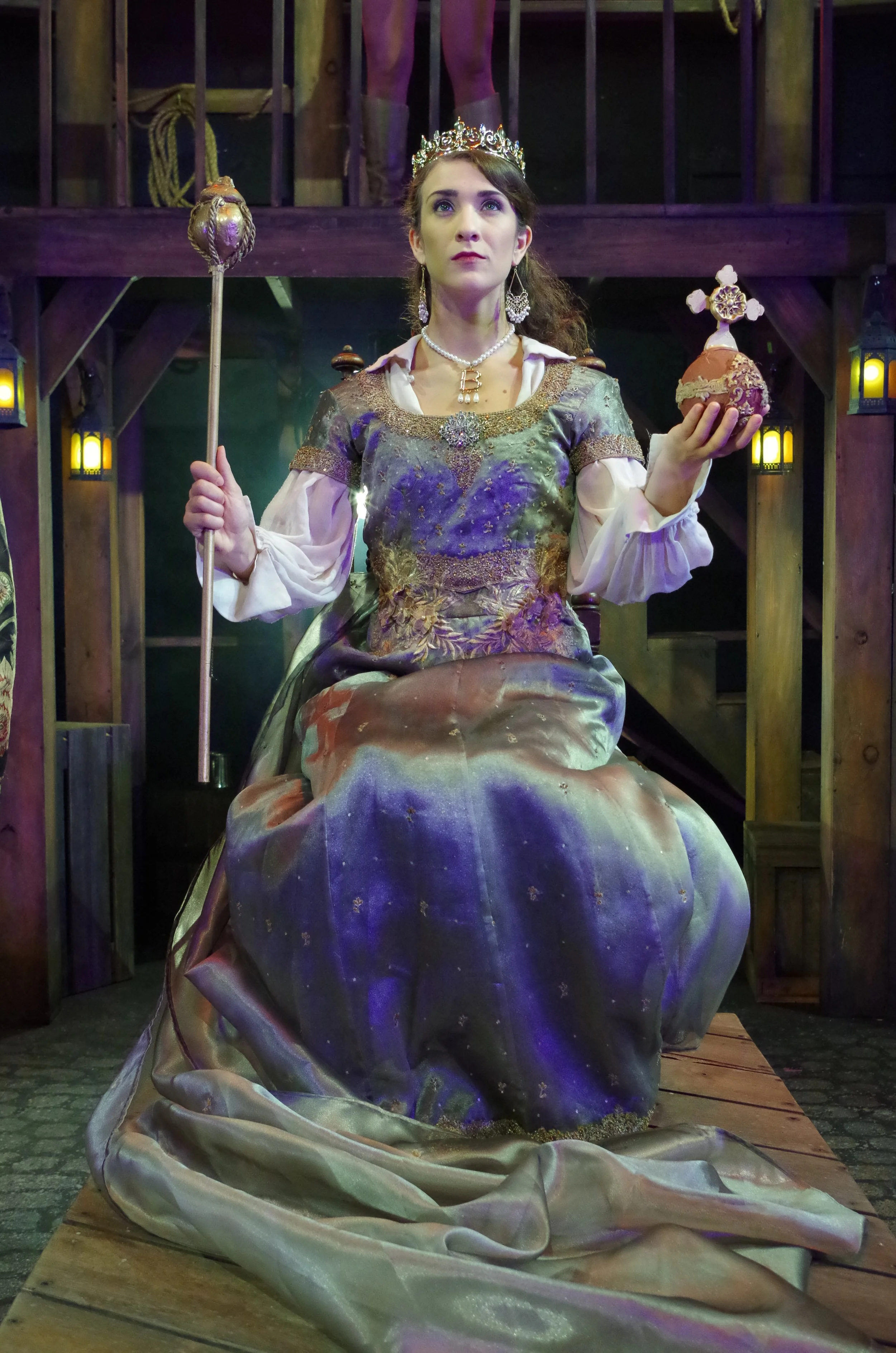
Tess Marshall in The King’s Legacy at Bristol Valley Theater (Photo by Rich Miller)
Hannah Karpenko and Tess Marshall in The King’s Legacy at Bristol Valley Theater (Photo by Rich Miller)
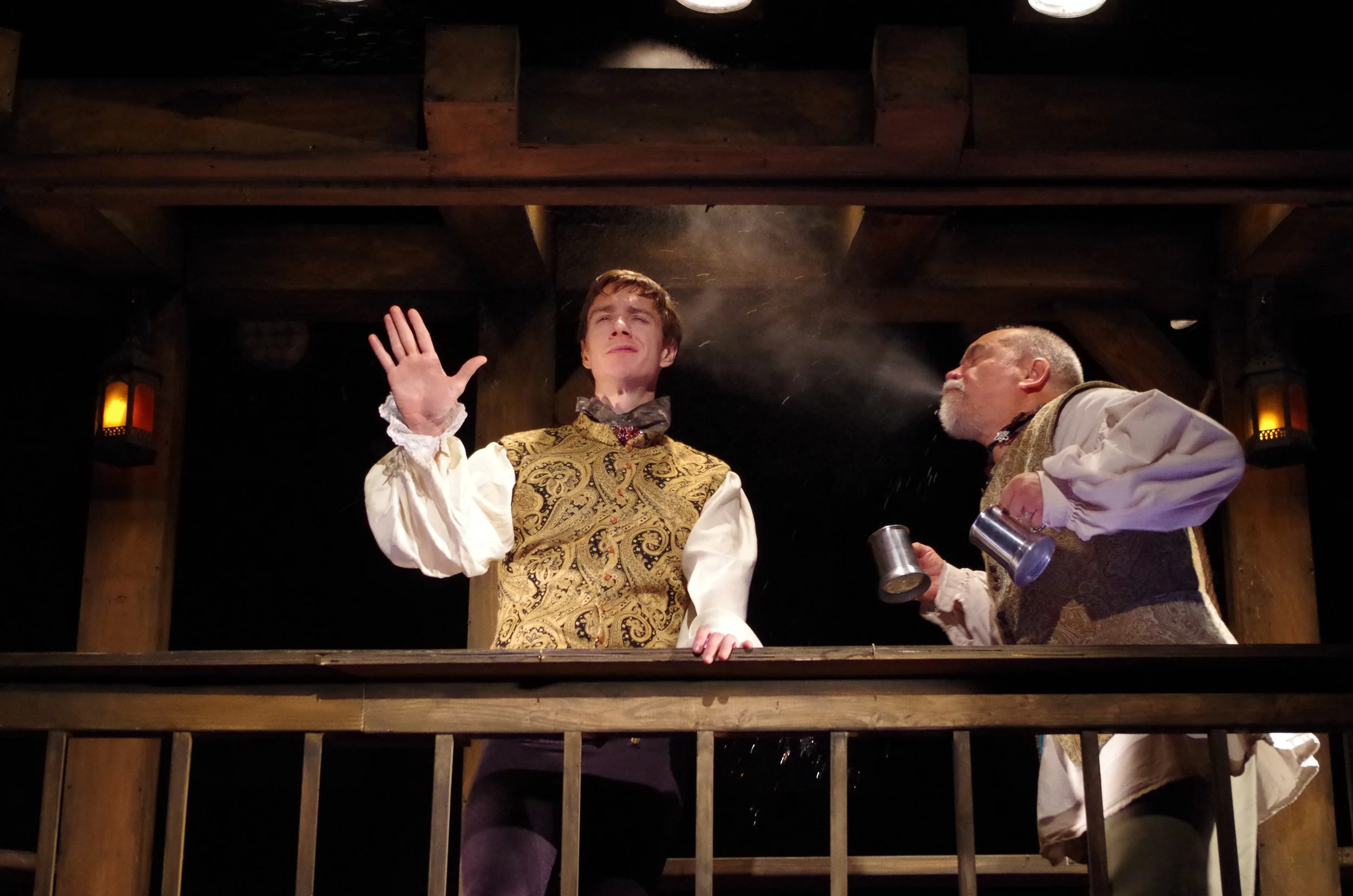
Mark Poppleton and Michael Radi in The King’s Legacy at Bristol Valley Theater (Photo by Rich Miller)